

News
-
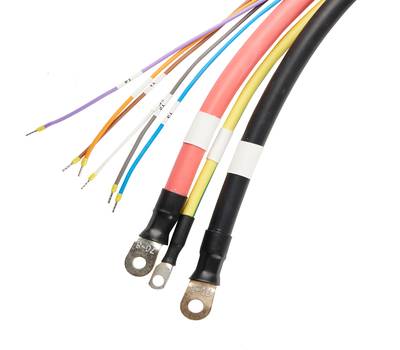
High-Current Liquid-Cooled CCS1 Charging Cables: A Buyer’s Guide for North American EVSE Deployments
Quick Answer. When a DC fast charger must hold high current for a full charging session, the cable and connector — not the power electronics — often become the thermal bottleneck. Liquid-cooled CCS1 charging cables circulate low-conductivity dielectric coolant through channels inside the assembly...Read more -
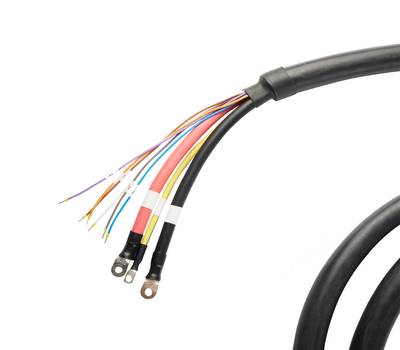
SAE J3400 NACS Charging Cables: Construction, Thermal Design, and Procurement Checks
Quick Answer The SAE J3400/NACS charging cable is a single engineered system in which the connector coupler, power conductors, signal contacts, strain relief, sealing, and thermal management must be specified together. For North American EVSE buyers, operators, and distributors, the practical rul...Read more -
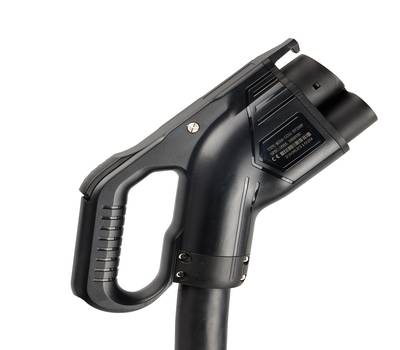
CCS1 vs NACS Charging Cables: How North American EVSE Buyers Should Choose
Quick Answer If you are buying or specifying EVSE hardware in North America in 2026, the CCS1-versus-NACS decision is really a cable and connector strategy decision, not just a plug preference. CCS1 remains the dominant installed DC fast-charging connector, but NACS—now standardized as SAE J3400—...Read more -
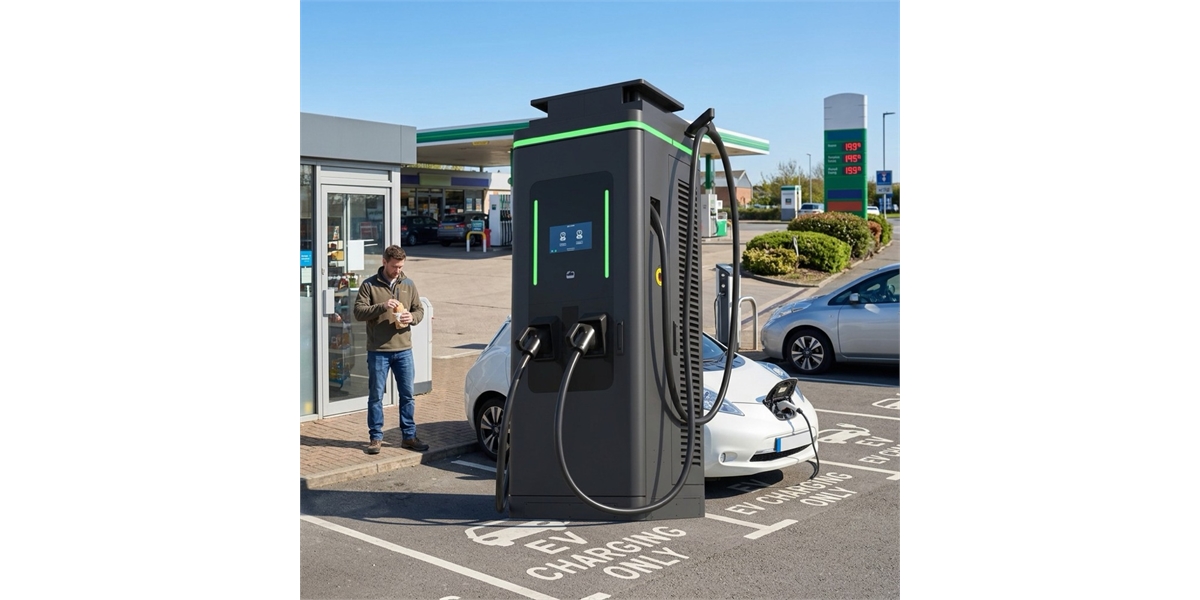
MIDA 60–420kW DC Chargers: A Global EPC Procurement Checklist for Projects
Quick Answer A global EPC procurement should evaluate DC chargers through evidence, not headline power. MIDA’s documented product families cover 60–240kW configurations with confirmed voltage, protocol, protection, and application information, while official MIDA URLs identify 300–420kW product f...Read more -
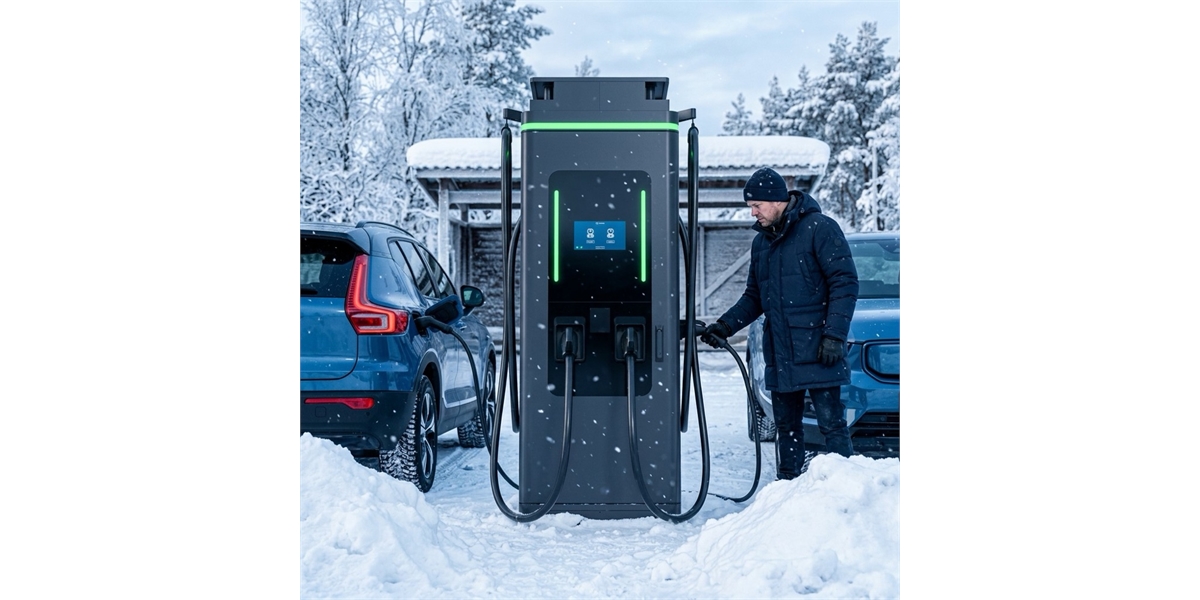
OCPP, Load Management, and Payment for MIDA DC Charging Stations Worldwide
Quick Answer The digital layer determines whether a DC station can be operated efficiently after installation. MIDA’s published product descriptions identify OCPP 1.6J across the charging range, with OCPP 2.0.1 support or optional availability on specified models. This enables a compatible chargi...Read more -
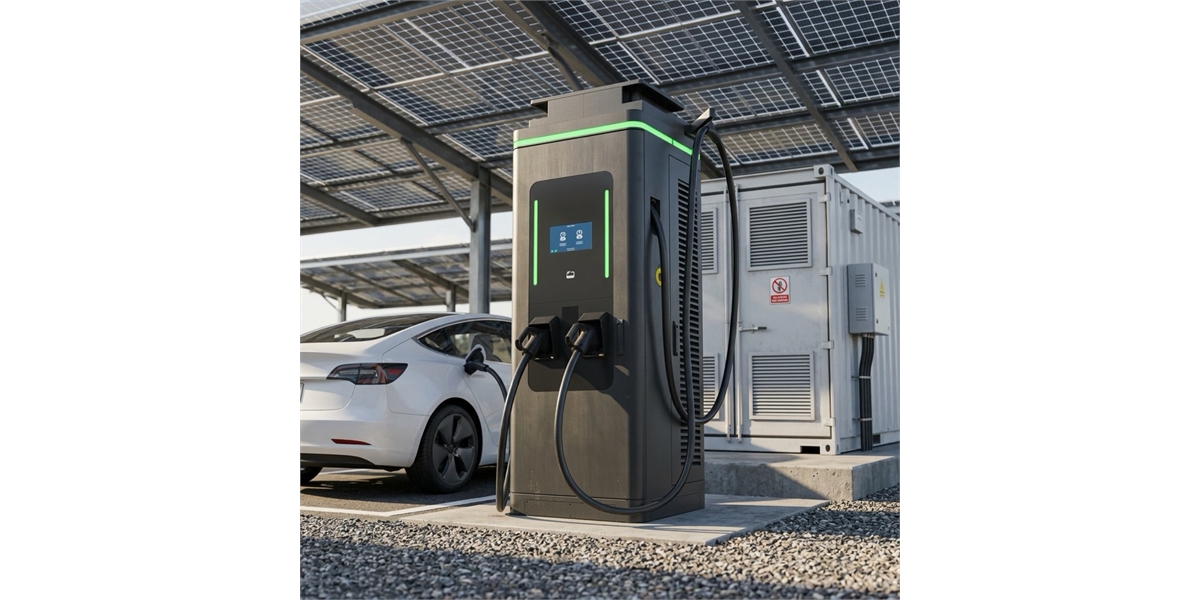
Designing a High-Uptime 60–420kW Multi-Power Public Charging Hub Across Regions
Quick Answer A multi-power hub combines different charger ratings to match different user journeys: lower-power units for longer stays, mid-power stations for commercial turnover, and high-power HPC for highway or fleet demand. MIDA’s confirmed public product families span 60–240kW configurations...Read more -
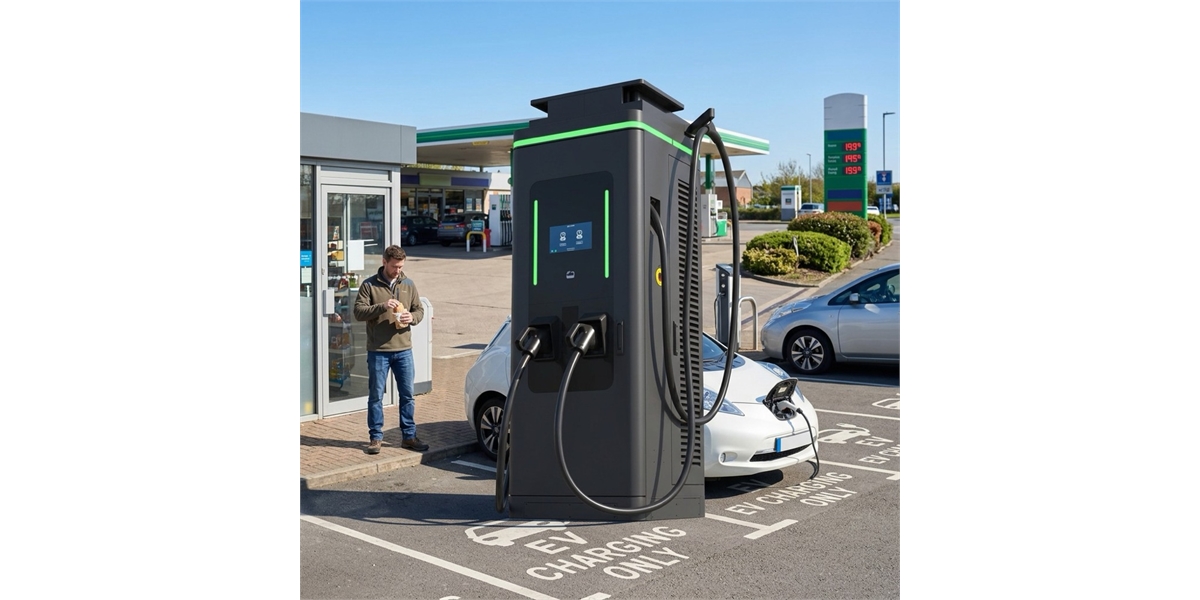
Comparing 300kW, 360kW, and 420kW DC Charging Station Proposals Globally
Quick Answer Comparing 300kW, 360kW, and 420kW proposals requires more than comparing the headline power number. MIDA’s working project files confirm official public URLs for 300kW, 360kW, and 420kW charging-station products, but they do not contain complete model-specific specifications for thos...Read more -
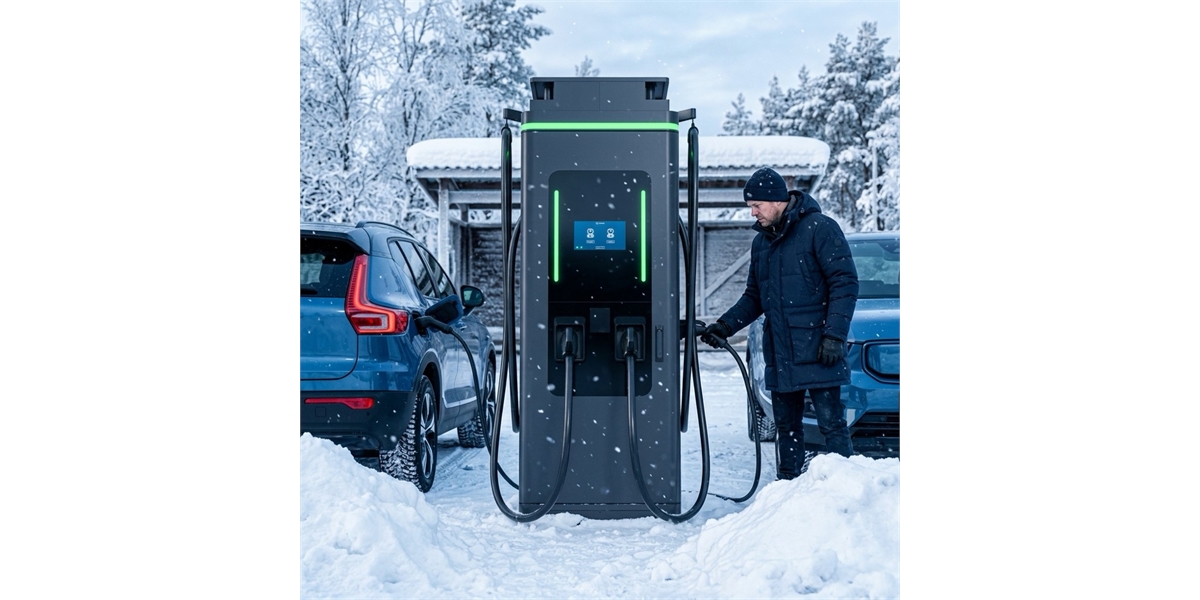
Selecting 60kW, 120kW, 180kW, or 240kW Chargers for Commercial Fleet Depots
Quick Answer Fleet charging should be selected from duty cycles rather than vehicle count alone. MIDA’s published range includes 60kW, 90kW, 120kW, 180kW, and 240kW configurations, with 150–1000V DC output described for the relevant product family. A 60kW unit may suit overnight or employee charg...Read more -
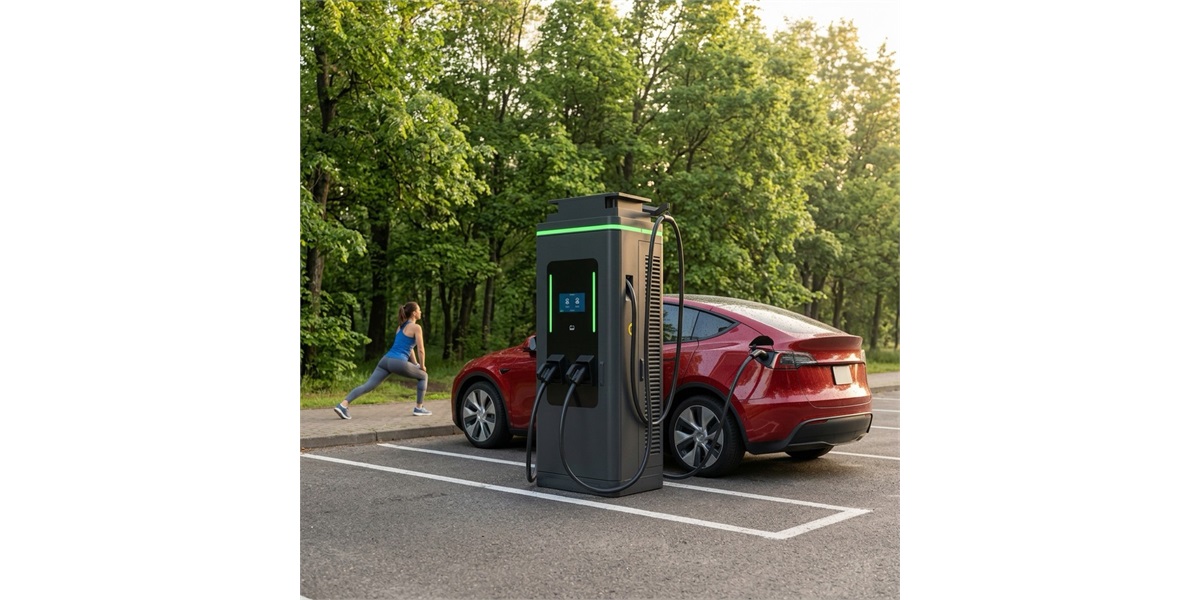
Public HPC Planning: Evaluating MIDA 240kW DC Charging for Multi-Vehicle Fleet Sites
Quick Answer A 240kW DC charger is a practical planning level for a multi-vehicle commercial hub that needs more throughput than 60–120kW equipment but is not yet building a megawatt-scale truck corridor. MIDA’s published 240kW charging descriptions identify 150–1000V DC output, modular power arc...Read more -
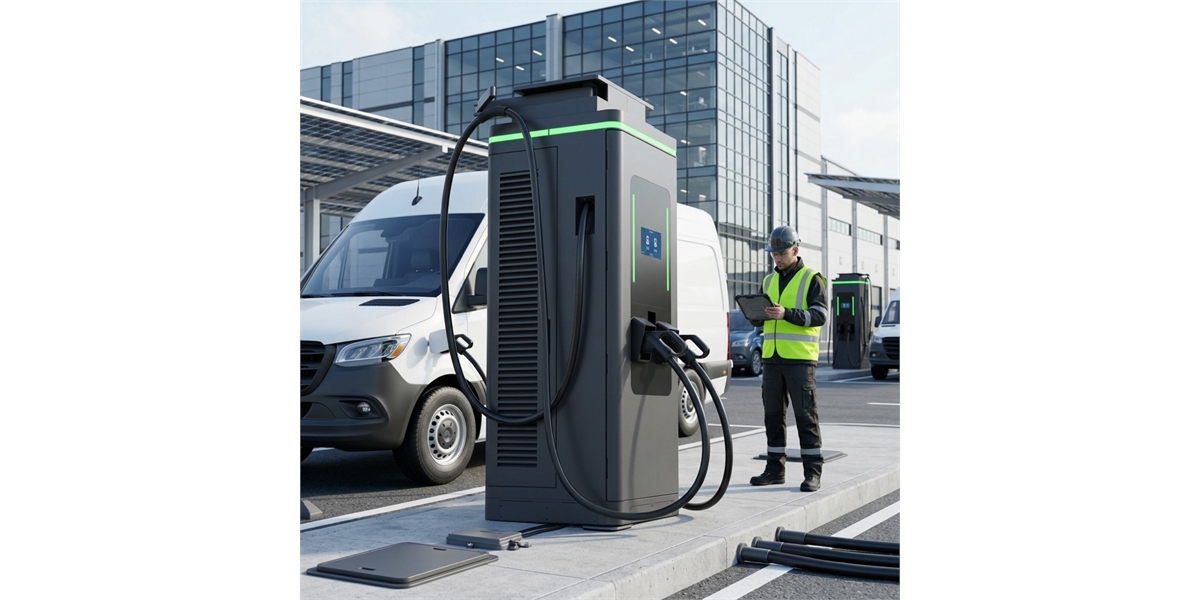
Choosing 120kW or 180kW DC Chargers for High-Turnover Commercial Charging Sites
Quick Answer The choice between 120kW and 180kW should follow site behavior, not a simple preference for the larger number. MIDA’s published charging range includes 120kW and 180kW advertising-screen configurations with 150–1000V DC output, modular power architecture, and OCPP connectivity on rel...Read more -
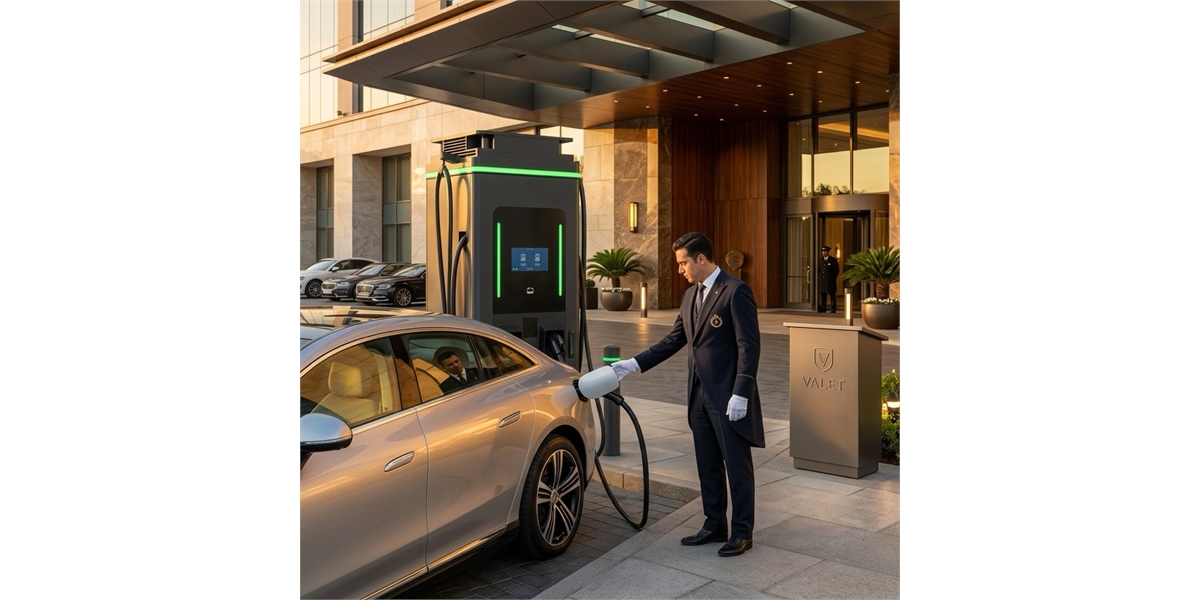
Planning 240–420kW Liquid-Cooled HPC Charging Infrastructure Projects for Public Hubs
Quick Answer High-power charging above the mid-power commercial range requires disciplined thermal planning. MIDA’s published technical content identifies liquid cooling as the solution for HPC requirements above approximately 350kW and documents liquid-cooled charging technology with currents ab...Read more -
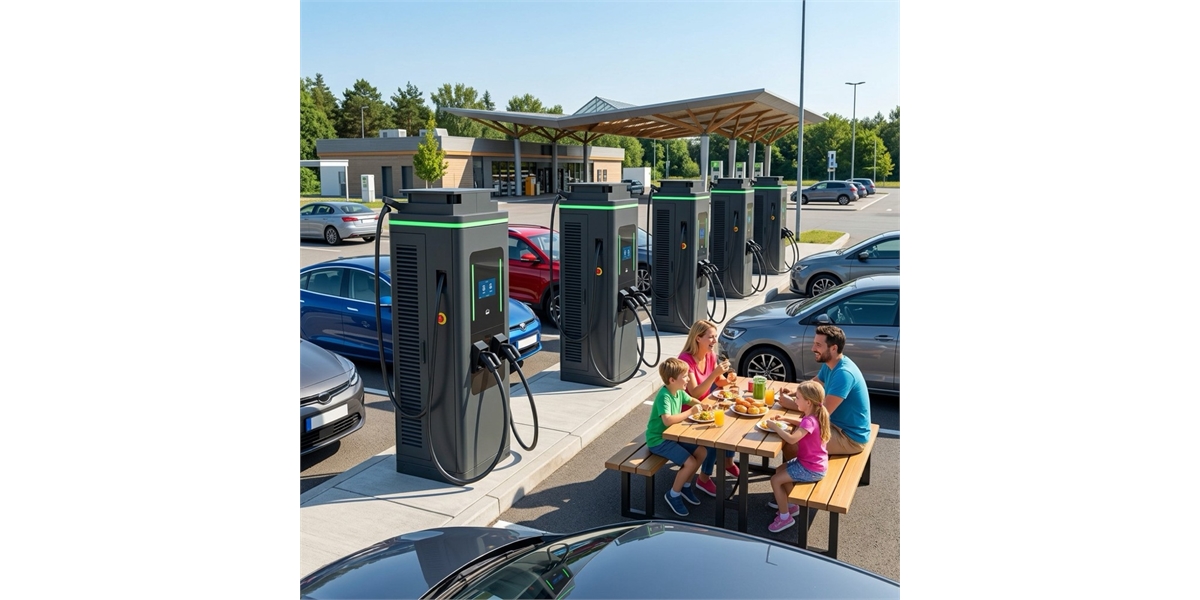
How Modular 60–240kW DC Chargers Scale Capacity Across Commercial Charging Sites Globally
Quick Answer Modular DC charging lets operators align installed power with current demand while preserving a path to expansion. MIDA’s published advertising-screen charging range covers 60, 90, 120, 180, and 240kW configurations, with 150–1000V DC output and modular power architecture described f...Read more