

Quick Answer
A global EPC procurement should evaluate DC chargers through evidence, not headline power. MIDA’s documented product families cover 60–240kW configurations with confirmed voltage, protocol, protection, and application information, while official MIDA URLs identify 300–420kW product families whose full specifications must be requested for the target SKU. The EPC checklist should include output power, current, voltage, connector standard, cooling, efficiency test conditions, IP/IK protection, certifications, OCPP functions, grid input, installation, warranty, spare parts, and commissioning evidence. For 60kW through 420kW projects, the same procurement logic applies: define the operating scenario, match the electrical system, verify the datasheet, test the backend, and retain a documented acceptance record.
Key Takeaways
- Separate verified data from product-family claims and unconfirmed specifications.
- Require one signed datasheet for each exact model and connector configuration.
- Include site, civil, grid, software, service, and certification requirements in the tender.
- Verify efficiency and temperature data under stated test conditions.
- Use factory acceptance and site acceptance tests to close the evidence chain.
The EPC Evidence Chain
Technical Evidence
Every model should have a document showing its rated output, voltage, current, connector, cooling, efficiency, environmental range, IP/IK protection, and safety functions. If a value differs between a marketing page and a technical description, the final datasheet and certificate scope should control the purchase decision.
Commercial Evidence
The EPC should also request warranty duration, spare-part availability, response time, software support, training, packaging, delivery terms, and commissioning responsibilities. A power rating without a service plan does not provide bankable infrastructure.
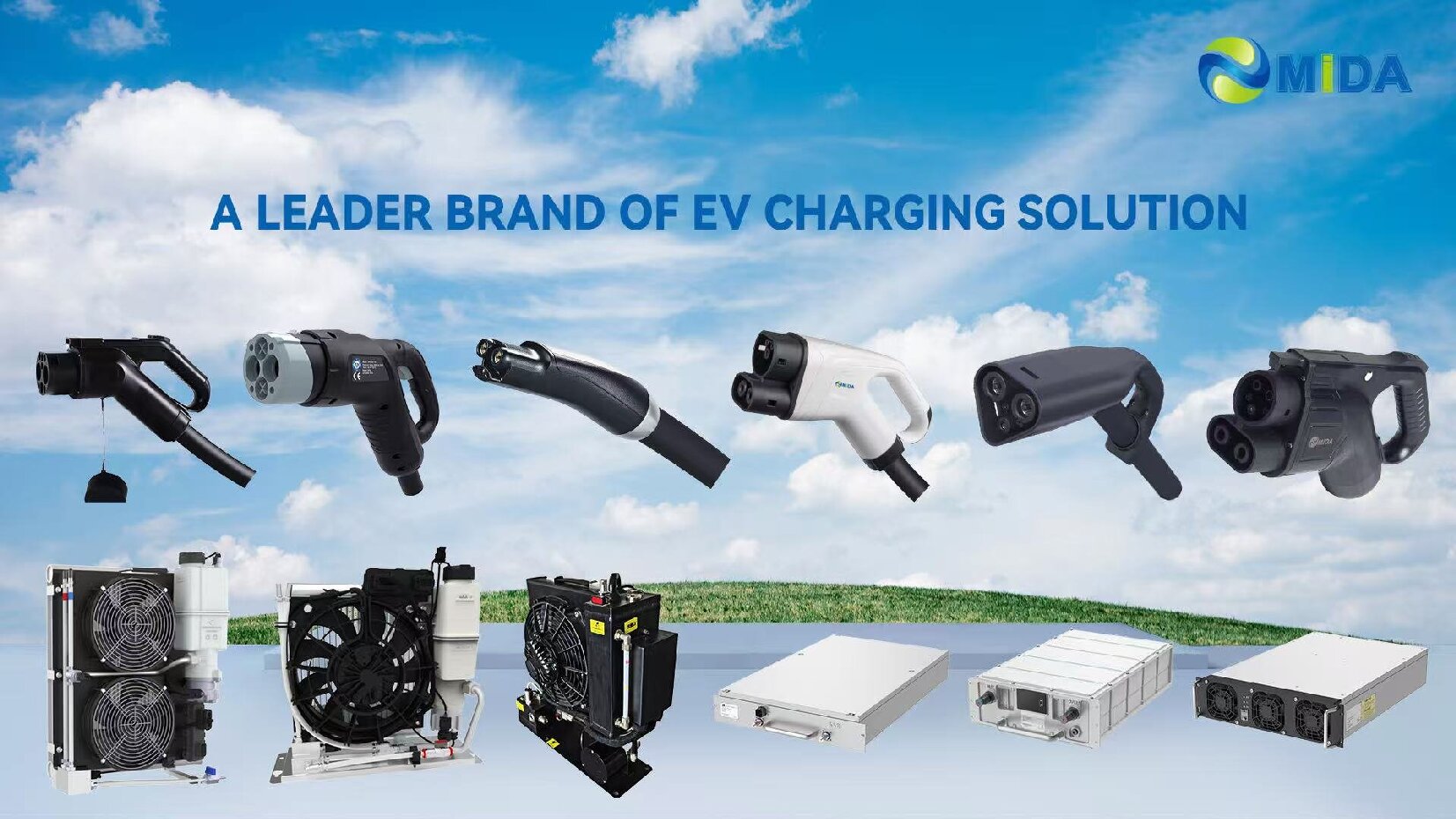
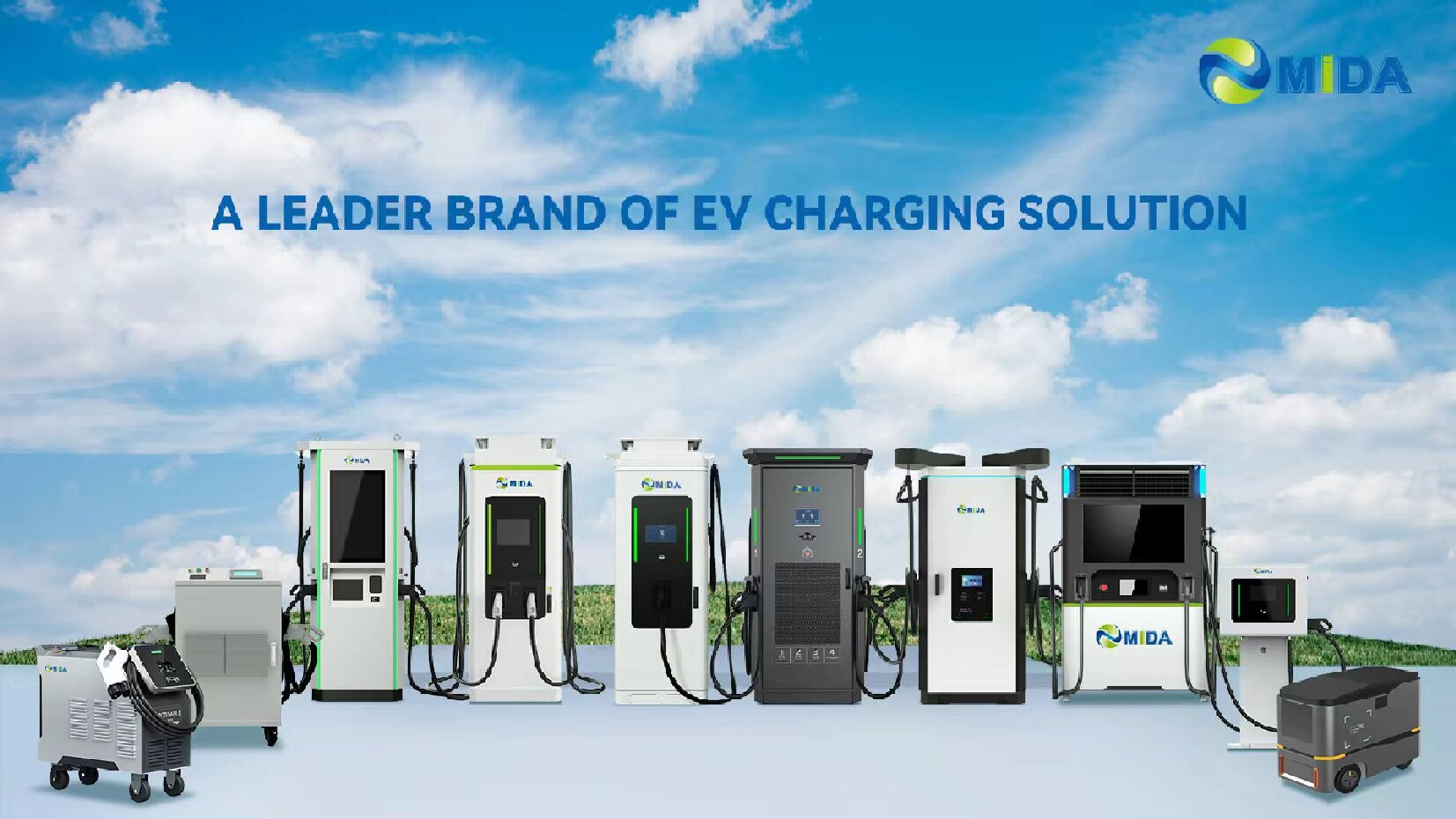
MIDA’s 60kW–240kW product family, 60kW fleet charger, and official 420kW CCS2 page can serve as starting points for a technical review. The higher-power page must be supplemented by model-specific documents before tender closure.
EPC Checklist Table
| Workstream | Evidence to collect |
|---|---|
| Technical | Datasheet, drawings, single-line diagram, connector data |
| Safety | CE/UKCA/TUV or applicable certificate scope, protection functions |
| Electrical | Input range, breaker, grounding, cable size, transformer requirement |
| Thermal | Cooling method, derating curve, ambient range, maintenance |
| Digital | OCPP version, CSMS test, payment, firmware, data export |
| Site | Civil drawings, drainage, accessibility, lighting, emergency isolation |
| Service | Warranty, spares, response time, training, escalation |
| Acceptance | FAT, SAT, meter test, insulation test, session test |
Factory and Site Acceptance
Factory Acceptance Test
The FAT should confirm cabinet identification, connector configuration, power output, display, communications, alarms, safety interlocks, and documentation. For higher-power systems, include thermal behavior and power allocation under representative loads where practical.
Site Acceptance Test
The SAT should confirm grid connection, grounding, network connectivity, backend commands, payment, emergency stop, vehicle charging, metering, and public presentation. Record each test with model number and serial number so the evidence remains traceable.
Seven FAQs
- What is the first document an EPC should request? The exact model datasheet with revision number and certification scope.
- Can marketing copy replace a certificate? No. Marketing copy supports discovery; certificates and datasheets support compliance.
- Are all MIDA 60–420kW ratings confirmed? 60–240kW data is documented in the working files; 300–420kW detailed values remain to be confirmed.
- How should conflicting efficiency values be handled? Ask MIDA to identify the final rated and peak test values for the exact model.
- What is the most important site test? A complete charging session with meter, backend, safety, and power-allocation verification.
- Should the EPC specify one connector globally? No. Connector selection must follow vehicle fleet, regional standards, and project requirements.
- What makes a quotation comparable? A shared technical schedule covering power, current, voltage, cooling, protection, software, service, and acceptance.
Post time: Sep-01-2026