

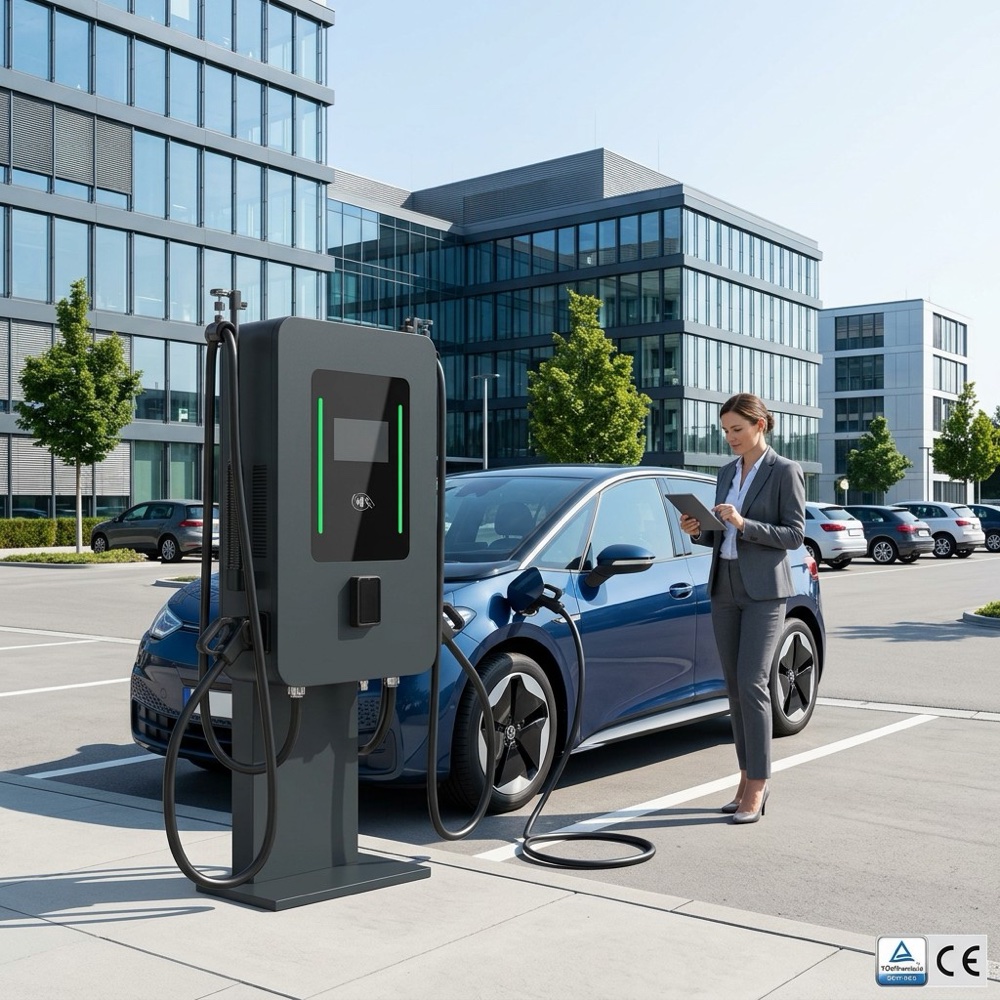
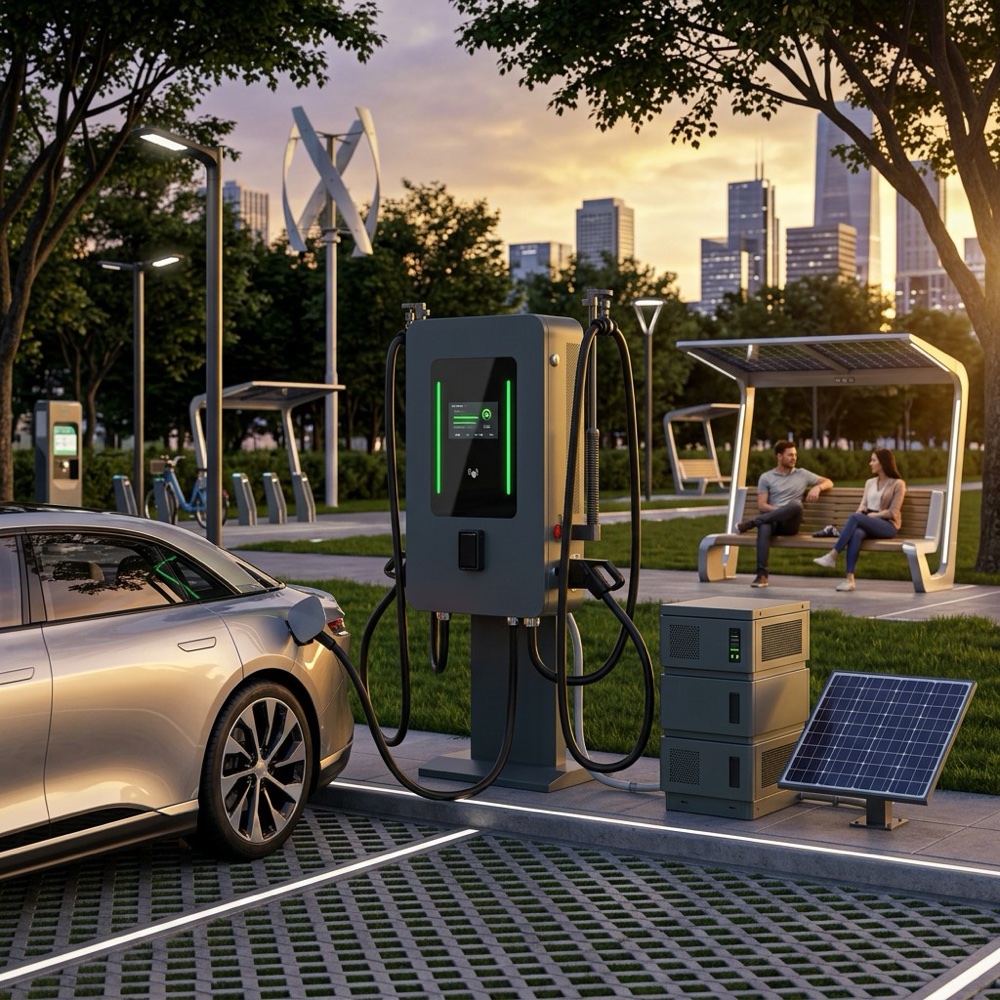
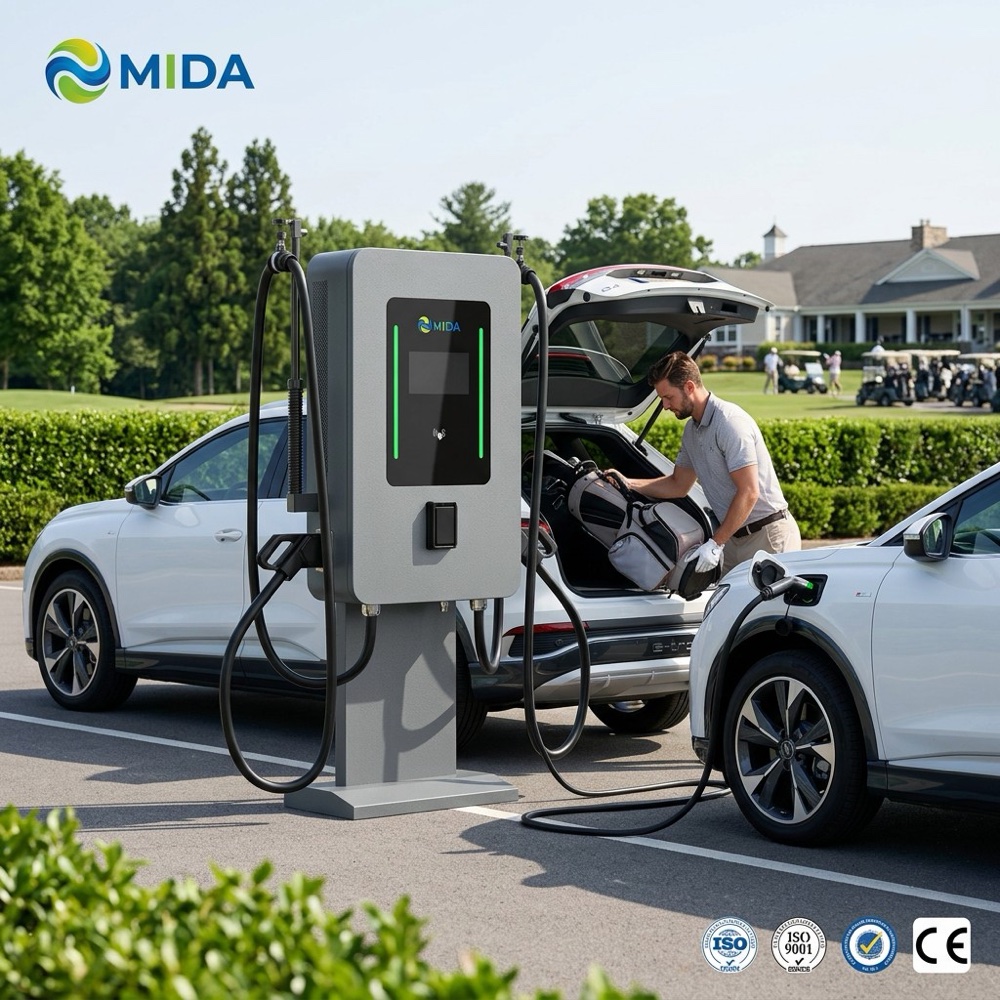
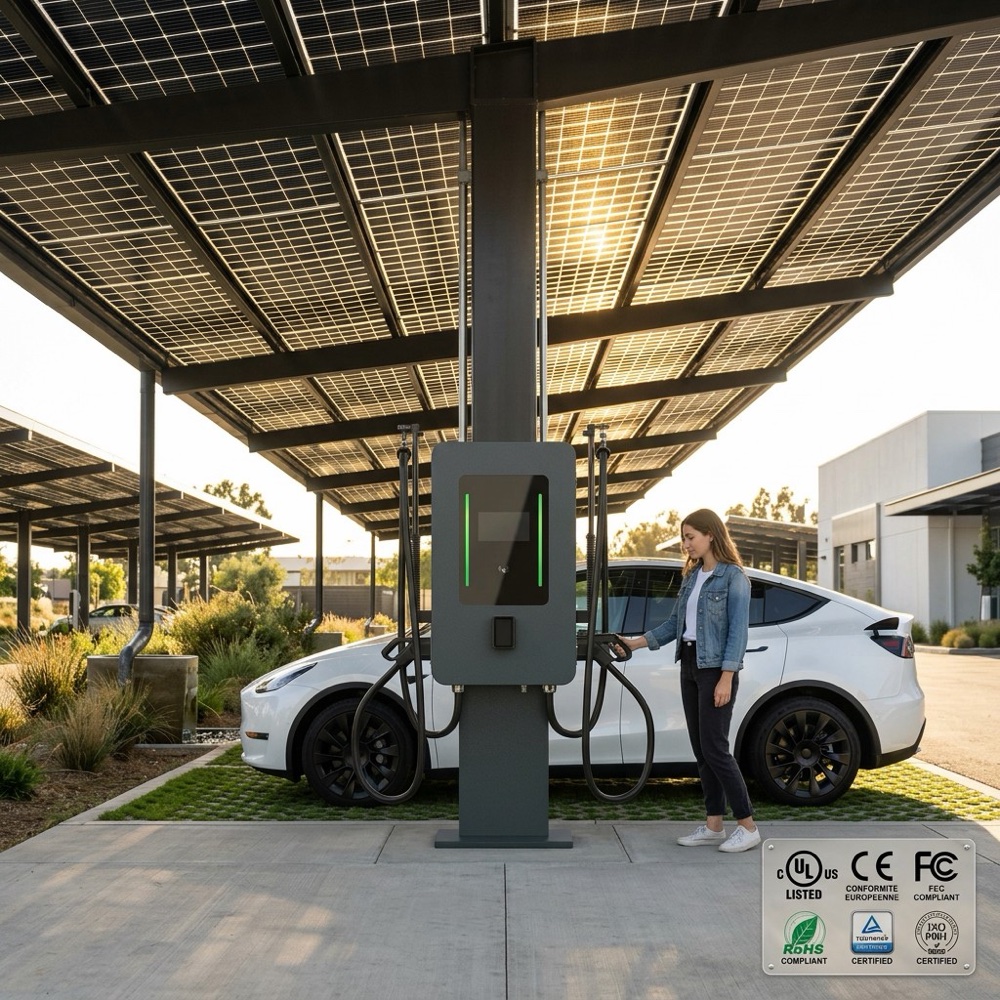
MIDA 60kW Smart DC EV Charger — Floor-Mounted Dual CCS2/GBT Fast Charging Hub with Dynamic Load Balance
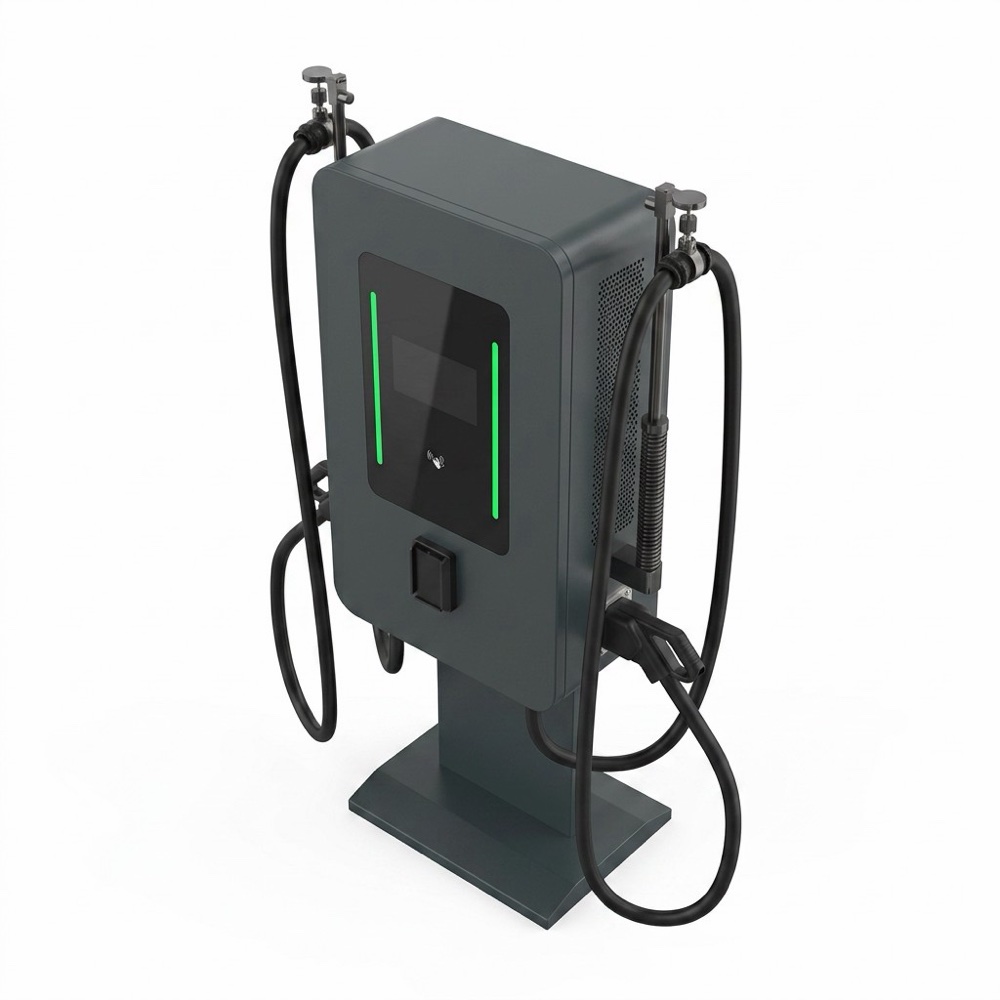
Quick Answer: What Is the MIDA 60kW Smart DC EV Charger?The MIDA 60kW Smart DC EV Charger is a floor-mounted, dual-output Level 3 (DC) fast charging station that powers two electric vehicles simultaneously from a single 60 kW power cabinet. It delivers an ultra-wide 150 V–1000 V DC output at ≥95.5% peak efficiency, supporting modern 400 V, 800 V and 900 V EV architectures as well as legacy GBT vehicles. A built-in Dynamic Load Balance engine continuously reallocates power between the two connectors based on each vehicle’s state of charge, so both stalls remain productive without oversizing the site’s grid connection. Networked through OCPP 1.6J/2.0.1, RFID, a mobile App and WiFi/4G, and certified to TUV CE and UKCA, it is a turnkey fast-charging hub for fuel forecourts, fleets, dealerships, retail car parks and municipal charging zones. Key Takeaways:
|
 |
The Commercial Case for 60 kW DC Fast Charging
Where 60 kW Sits in the Charging Hierarchy
DC fast charging is conventionally divided into Level 3 categories: 40–60 kW for destination and hub charging, 120–180 kW for corridor charging, and 350 kW+ for ultra-rapid flagship sites. The 60 kW tier has emerged as the operational sweet spot for commercial operators for a simple economic reason — it delivers a meaningful charging speed for the vast majority of today’s battery-electric vehicles while keeping capital expenditure, grid-connection fees and maintenance complexity under control.
A typical 60 kW session adds roughly 200–260 km of range in 30 minutes — fast enough to serve the dwell-time economics of supermarkets, retail parks, workplace car parks, hotels, fleet depots and municipal hubs, where drivers are already on-site for 25–45 minutes. At the same time, it avoids the expensive medium-voltage transformers, high-voltage switchgear and utility upgrade lead times that 120 kW+ systems routinely require.
The Dual-Output Multiplier
The MIDA 60kW Smart DC charger multiplies this economics further. Instead of installing two single-gun 60 kW units — which demands two grid connections, two sets of metering and double the cabinet footprint — the operator installs one dual-output hub that serves two parking bays. This is the key architectural insight of the MIDA design: the same power cabinet, the same grid connection and the same enclosure are amortised across two vehicles. When both bays are occupied, each vehicle receives up to 30 kW on a balanced split; when only one is in use, a single vehicle can draw the full 60 kW. The result is a higher utilisation curve, a faster return on investment and a visibly cleaner site layout.
For operators migrating from AC or single-gun DC, the impact is immediate: one 60 kW dual-gun hub can replace four to six 22 kW AC posts at roughly one-third of the installation complexity.
Dual-Output Architecture: Two Vehicles, One Power Cabinet
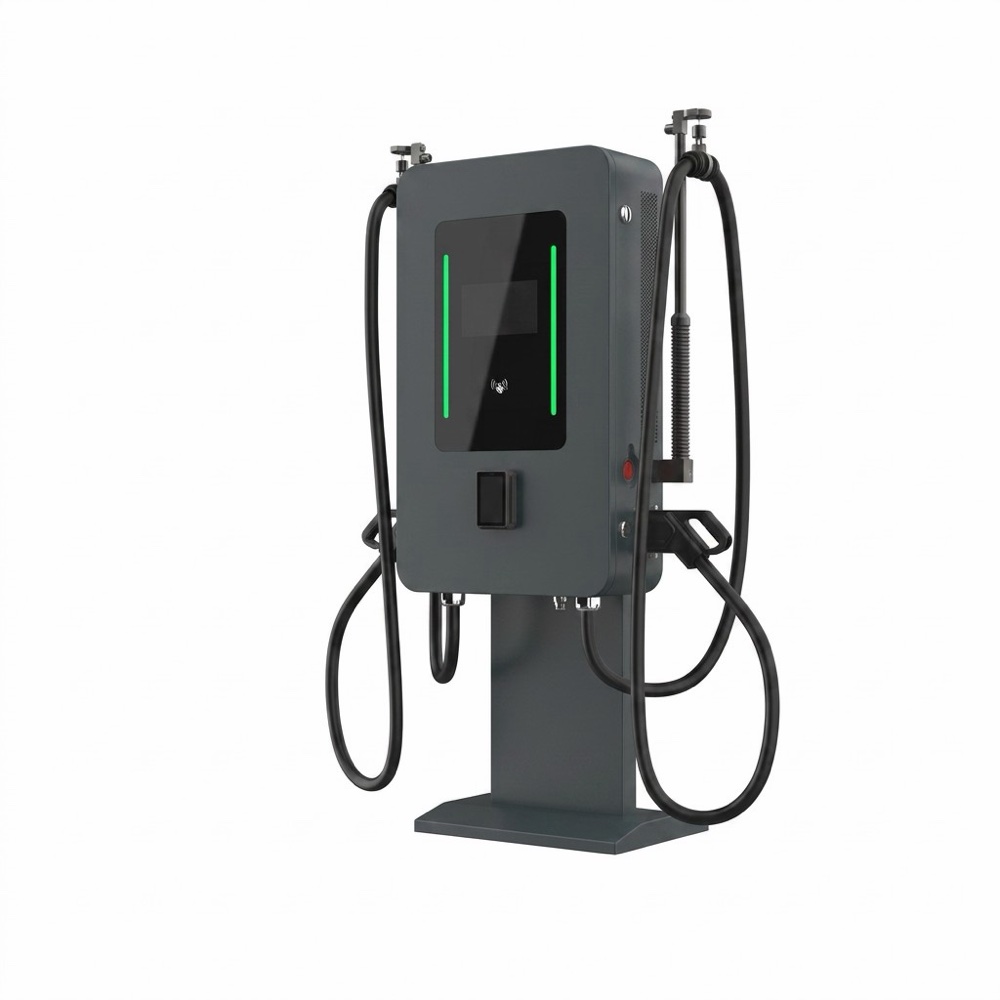 |
How the Dual CCS2/GBT Configuration WorksThe MIDA 60kW Smart DC charger integrates two charging guns in a single floor-standing cabinet. The standard configuration offers two CCS2 connectors for European markets, a dual GBT layout for Chinese and export corridors, or a hybrid CCS2 + GBT pairing for mixed-vehicle environments such as ports, cross-border fleet depots and multi-national logistics hubs. Each connector is fully independent at the protocol level — communication, metering, authentication and charging curves are handled separately per port — while both draw from the same shared power module bank. This matters for uptime. Because the two ports are logically isolated, a fault on one gun, one cable or one vehicle’s battery-management system does not take down the other bay. MIDA units also carry module-level redundancy: if one power module needs service, the remaining modules continue to deliver reduced but operational power on both connectors. |
Power-Sharing Logic: Priority, Fairness and Flexibility
MIDA’s power-sharing controller supports three distribution modes that the operator can select per site or per time-of-day:
- Balanced mode — both ports receive equal power (2 × 30 kW). Best for steady two-vehicle demand such as fleet depots.
- Dynamic priority mode — the first-arriving vehicle keeps up to 60 kW until its session ramps down, after which the second port absorbs the released capacity. This minimises total dwell time across the pair of bays.
- Fixed-ratio mode — the operator locks a fixed split (for example 40/20 kW) to guarantee minimum service levels for commercial contracts, such as taxi ranks or delivery-fleet agreements.
This flexibility lets a single hardware platform serve radically different business models — from pay-per-kWh public hubs to priority fleet charging — without any additional equipment.
Dynamic Load Balance: The Intelligence That Cuts Your Energy Bill
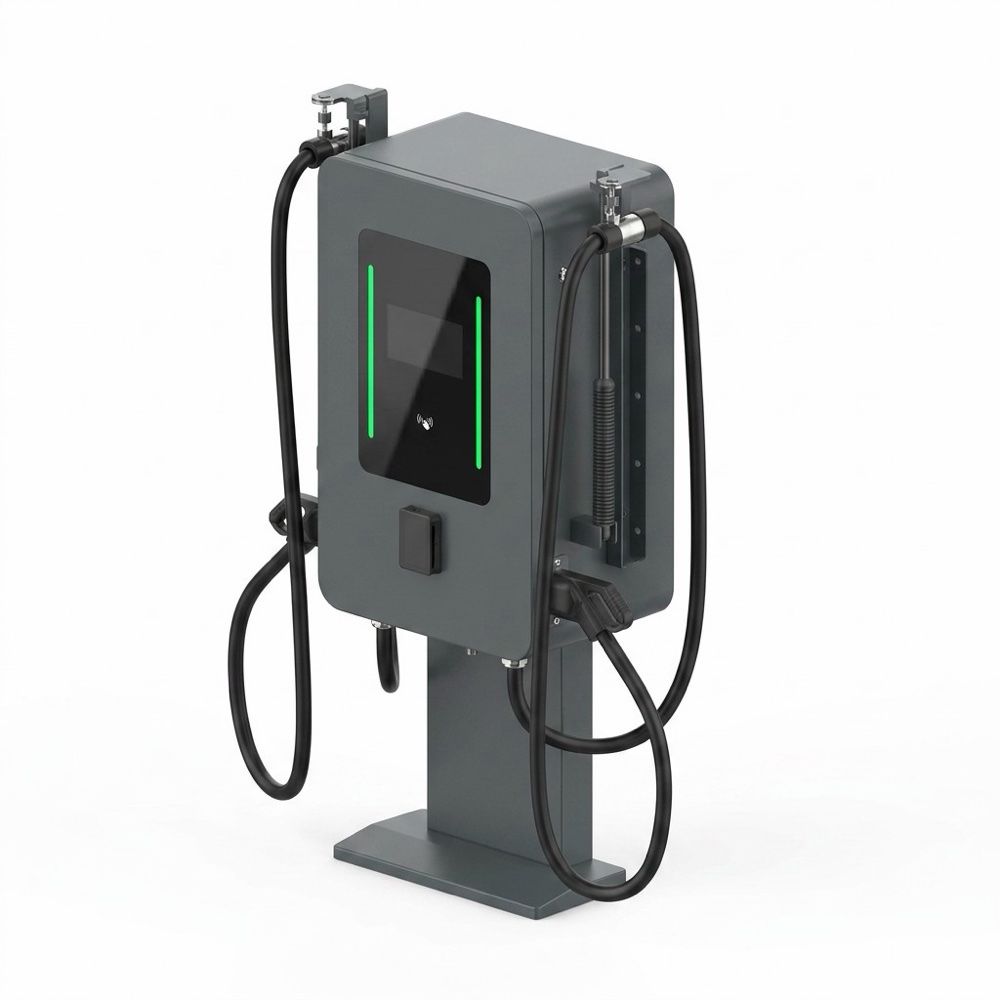
Beyond Two Guns: Balancing the Whole SiteDynamic Load Balance (DLB) in the MIDA 60kW Smart charger operates at two levels. At the first level, the internal controller distributes power between the two integrated guns in real time, as described above. At the second — and commercially decisive — level, the charger participates in site-wide and grid-wide load management. Multiple MIDA chargers on the same transformer can be coordinated through OCPP so that aggregate site consumption never exceeds the contracted capacity. For a site with a 100 A three-phase connection and three 60 kW hubs, the difference is dramatic. Without DLB, starting three simultaneous sessions could trip the main breaker or trigger punitive demand charges. With DLB, the chargers negotiate with each other and the master energy controller, temporarily throttling power to each session so the combined draw stays inside the contracted envelope — then releasing full power the moment headroom appears. |
 |
The Economics of Peak-Demand Management
Because commercial electricity tariffs in most European and UK markets charge both for energy (kWh) and for the highest 15- or 30-minute power peak (kW) during the billing period, peak demand charges frequently represent 20–35% of a charging site’s total electricity bill. MIDA’s DLB attacks exactly this cost component:
- Sessions are smoothed so peak demand stays low even under heavy utilisation.
- Off-peak windows can be enforced remotely via OCPP to shift load into cheaper tariff bands.
- The input-current limit is programmable per phase, letting sites run on existing LV connections without transformer upgrades.
Operators who combine DLB with time-of-use tariff scheduling typically report 15–30% reductions in overall electricity cost compared with unmanaged DC charging — savings that flow directly to the payback calculation of the hardware.
150 V–1000 V Output: Future-Proof Across Three EV Generations
The single most important specification for any DC charger purchased today is its output voltage envelope. Early 2020s DC chargers capped at 500 V or 750 V; the MIDA 60kW Smart charger covers the full 150 V–1000 V range without optional hardware. That one continuous envelope covers:
The practical consequence: a MIDA 60kW hub installed in 2026 will still be able to charge the vehicles that fleets purchase in 2032. Operators avoid the write-off risk that haunts fixed-voltage legacy chargers, and the same unit can serve a mixed fleet of delivery vans (400 V) and executive cars (800 V) in the same parking row. The wide range also reduces charger downtime caused by protocol-negotiation failures, because the power stage is natively capable of whatever voltage the vehicle requests — no firmware-derived compromise, no derating. |
 |
≥95.5% Efficiency: The Quiet Driver of Your ROI
Why Efficiency Is a Profitability Metric
For a 60 kW charger operating 10–14 hours per day, every percentage point of conversion efficiency is worth real money. At an average electricity price of €0.20/kWh and a 12-year service life, a charger running at 93% instead of 95.5% wastes roughly €6,500–€9,000 in avoidable energy losses across its lifetime. The MIDA 60kW Smart charger achieves ≥95.5% peak efficiency through its silicon-carbide (SiC)-class power-stage design, high-frequency transformer topology and optimised cooling loops that keep modules in their efficiency sweet spot across the load curve.
Cooling, Noise and Standby Losses
Efficiency is not only about the kWh bill. A more efficient power stage generates less waste heat, which directly affects enclosure design and site comfort:
- Fan-assisted smart cooling runs only when needed; at low load the charger drops to near-silent natural convection — important for hotels, hospitals and residential-adjacent sites with night-time noise limits.
- Low standby consumption — under 50 W when idle, so a 24/7 connected unit does not bleed the site’s base load.
- Derating discipline — full 60 kW continuous at ambient temperatures up to 45 °C, with graceful derating only beyond that threshold.
When efficiency, standby losses and cooling power are added together, the MIDA 60kW Smart charger typically undercuts conventional 93–94% designs by 1.5–2.5 percentage points in real-world total energy cost — a competitive advantage that accumulates silently for a decade.
Connectivity and the Smart Charging Ecosystem
OCPP 1.6J and 2.0.1: Roaming-Ready by DefaultThe MIDA 60kW Smart charger ships with dual-protocol OCPP support (1.6J and 2.0.1), making it compatible with virtually every charge-point management system (CPMS) on the market — from national roaming platforms such as Hubject and Gireve to private fleet back-ends such as those used by lease and logistics operators. This protocol-level openness is a deliberate commercial decision: the buyer is never locked into a single software vendor, and the charger can be re-contracted to a new CPMS if tariffs or platform quality change. Because OCPP 2.0.1 brings signed security (TLS with certificates), improved transaction handling and ISO 15118-ready messaging, chargers equipped with it meet the security expectations of 2026-era smart-charging regulation, including the UK’s PASP and the EU’s evolving Cyber Resilience Act requirements. |
|
RFID, App, WiFi and 4G: Every Access Path Covered
- RFID (ISO 14443A/B) — supports MiFare Classic, DESFire and legacy cards for white-label operator cards, fleet tags and pay-as-you-go.
- Mobile App — branded or MIDA white-label app for locate, start, monitor and pay, with live port status, session history and invoices.
- WiFi — fast, zero-SIM commissioning for car parks and depots with existing coverage.
- 4G — redundant cellular backhaul with automatic WiFi/4G failover, keeping transaction data flowing and the site visible to the CPMS.
Remote management is not a feature add-on; it is the default operating mode. Firmware updates, tariff tables, connector enable/disable, remote start/stop and diagnostic readouts are all performed over the network — a service engineer only needs to visit the site for physical maintenance. For a distributed estate of 20, 50 or 200 chargers, this remote-first design is what makes a small operations team viable.
Compliance, Certification and Grid Interoperability
TUV CE: The Market-Access BackboneEvery MIDA 60kW Smart DC charger is factory-tested and certified to TUV CE, covering the Low Voltage Directive (LVD, 2014/35/EU), the Electromagnetic Compatibility Directive (EMC, 2014/30/EU) and the Radio Equipment Directive (RED, 2014/53/EU) for the integrated 4G module. TUV certification is a third-party, not self-declared, route: the design, the production line and the test reports are audited by an independent notified body — precisely the evidence chain that utilities, grid operators and municipal tender boards ask for when approving new charging sites. |
|
UKCA: Full UK Market Readiness
With the UK having diverged from the CE marking regime, chargers sold into Great Britain must carry UKCA conformity. The MIDA 60kW Smart charger holds UKCA certification, so UK-based operators — forecourt groups, charge point operators (CPOs), local authorities — can deploy it with no additional certification work. Combined with OCPP roaming support and PASP framework compliance, the unit is a drop-in asset for the UK’s rapidly scaling public charging network.
Grid-Interconnection Features
- Programmable input current limit per phase (adjustable from the factory or remotely), enabling connection to low-capacity LV supplies without hardware changes.
- RCD Type A/B / DC-leakage monitoring integrated, with AFDD-compatible protection for continental and UK wiring regulations.
- IEC 61851-1 and GB/T 18487.1 charging-mode compliance across both CCS2 and GBT connectors.
- EMC Class B behaviour in the conducted-emission band, allowing installation in residential-adjacent commercial zones without additional filtering.
Floor-Mounted Form Factor: Design, Installation and Site Integration
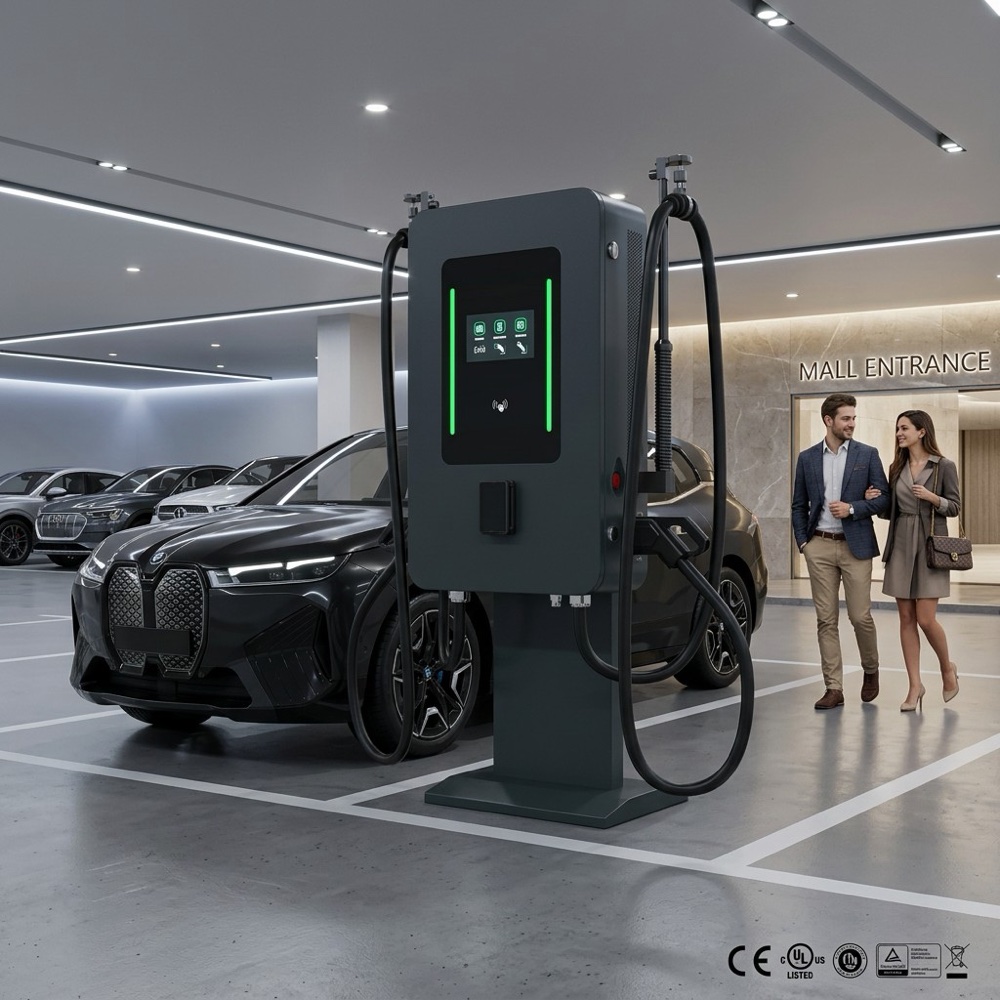
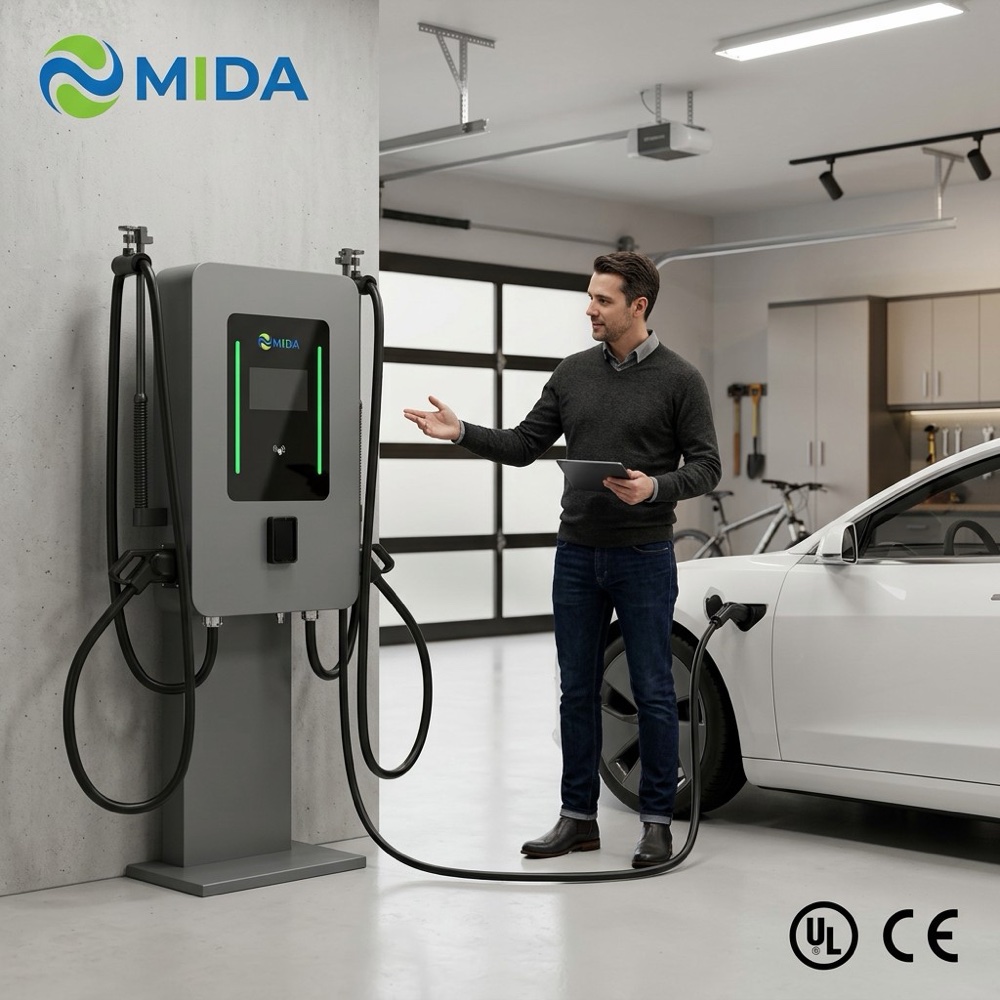
Why Floor-Mounted Is Right for This ClassThe floor-mounted enclosure of the MIDA 60kW Smart charger is engineered around three deployment realities: tight space, fast installation and maintainability. With a compact footprint designed to sit at the head of two parking bays (or in an island layout), the cabinet requires no wall structure, no building penetration for cable runs and no foundation beyond a level plinth. This makes it equally suitable for:
|
|
Cable Management and User Ergonomics
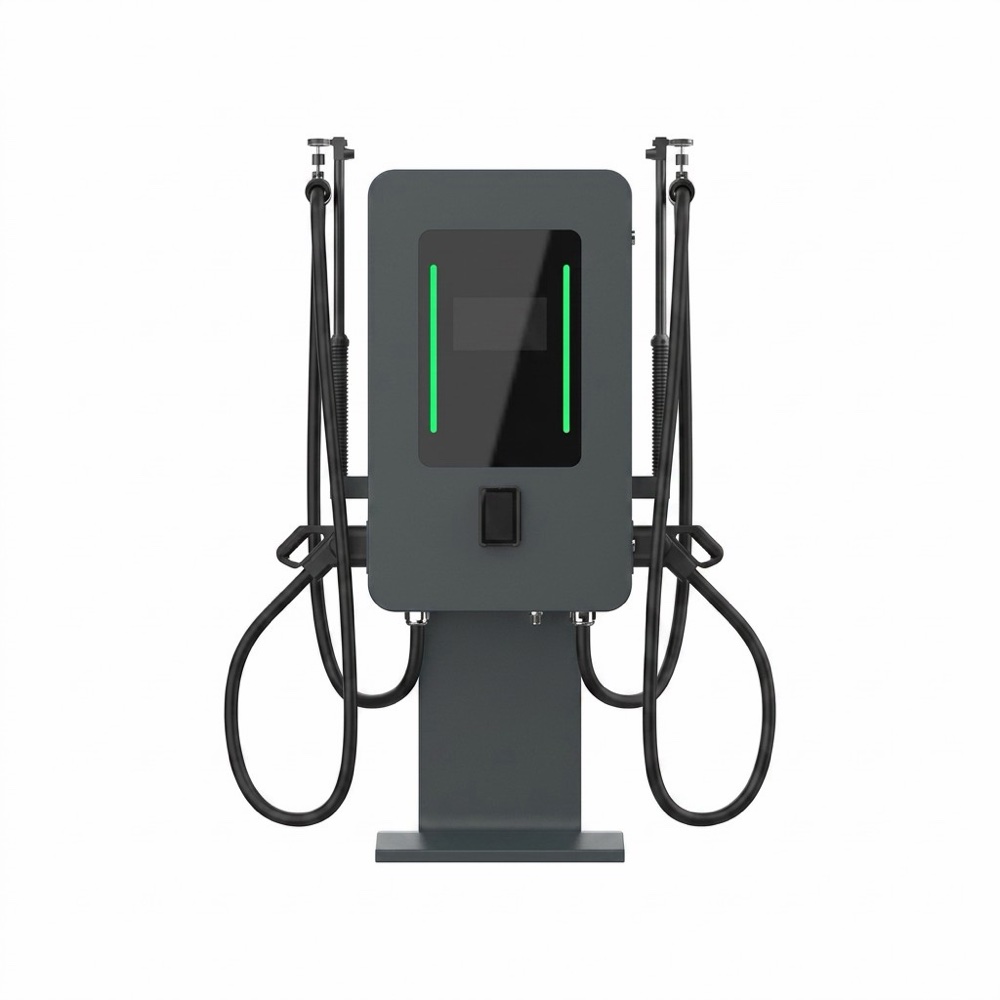
The unit ships with 4.5 m charging cables on both guns, selected to reach the charge ports of vans, SUVs and cars without forcing awkward parking manoeuvres. Cable-management brackets and strain relief keep the cables off the ground between sessions — a small detail with outsized consequences for safety, cable lifespan and site tidiness. The user interface combines a 7-inch touchscreen (optional variants with physical start button) with illuminated status LEDs, RFID reader and an emergency stop, all positioned at a height accessible for standard and wheelchair users alike. The enclosure is rated IP54 for the electronics zone and IK10 for impact resistance, so it withstands shopping trolleys, snow-ploughs and incidental vehicle contact.
Deployment Use Cases: From Forecourt to Depot
Fuel-Station and Service-Station Forecourts
For fuel retailers adding EV charging, the MIDA 60kW dual-gun hub is the workhorse of the transition phase: two bays per hub, no transformer upgrade on most LV connections, and OCPP roaming that puts the chargers on public apps within days. Forecourt operators typically pair 2–3 hubs (4–6 bays) per site and scale as utilisation grows.
Fleet and Depot Charging
Depot charging is where dual-output economics shine. A van fleet returning between 17:00 and 20:00 creates a concentrated charging wave; with dynamic priority mode, the first vehicles back absorb up to 60 kW, and as their sessions taper the released power flows to the next vehicles. A six-bay depot with three MIDA 60kW hubs turns a fleet around overnight on a modest 150–180 kW aggregate grid connection.
Retail, Hospitality and Destination Sites
Retail parks, supermarkets, hotels and gyms monetise dwell time. The MIDA 60kW hub converts a 35-minute shop visit into 25–45 kWh of delivered energy — enough to justify premium per-kWh pricing while keeping customer goodwill high. Its low-noise profile and compact footprint keep planning-approval risk low, and the App/RFID dual access path suits both walk-in and loyalty-program drivers.
Technical Specifications at a Glance
| Parameter | MIDA 60kW Smart DC Charger |
|---|---|
| Charging standard | Level 3 DC fast charging (IEC 61851-1 / GB/T 18487.1) |
| Rated output power | 60 kW (adjustable 20–60 kW) |
| Output voltage range | 150 V – 1000 V DC |
| Output current (max, per port) | 250 A (shared power bank; per-port limit configurable) |
| Connector configuration | 2 × CCS2 / 2 × GBT / 1 × CCS2 + 1 × GBT (factory option) |
| Peak efficiency | ≥95.5% |
| Power factor | ≥0.99 (full load, with PFC) |
| Input supply | 400 V ±10%, 3-phase, 50/60 Hz |
| Connectivity | OCPP 1.6J & 2.0.1, RFID (ISO 14443A/B), App, WiFi, 4G |
| User interface | 7″ touchscreen, status LEDs, RFID reader, E-stop |
| Enclosure | Floor-mounted, IP54, IK10 |
| Operating temperature | −25 °C to +55 °C (full power to +45 °C) |
| Certifications | TUV CE (LVD/EMC/RED), UKCA |
| Cable length | 2 × 4.5 m |
| Standby power | <50 W |
| Protection | RCD Type A/B, DC leakage, overvoltage, overcurrent, overtemperature, surge (Type 2) |
Installation, Commissioning and Lifetime Maintenance
Fast-Track Commissioning
The MIDA 60kW Smart charger is designed for a one-day install: plinth fixing, mains cable termination, earth bonding, communication setup (WiFi or SIM), OCPP registration and a full charge-cycle test. The charger’s own self-test routine validates all power stages before the first real session; typical handover from power-on to first customer charge is under two hours.
Predictive, Remote-First Maintenance
Because every charger is continuously connected, the MIDA support model is preventive rather than reactive. The unit streams module temperatures, charging-cycle counts, connector wear indicators and network quality metrics to the operations dashboard, so service interventions are triggered by data trends — not by customer complaints. When a physical visit is required, the modular architecture (swappable power modules, replaceable touchscreen, pluggable communication board) keeps most repairs under 30 minutes of on-site time, restoring the hub to full dual-port operation.
Total Cost of Ownership and Payback Scenarios
| Cost driver | Single-gun 60 kW ×2 | MIDA 60kW dual-gun ×1 |
|---|---|---|
| Hardware (indicative) | €14,000–18,000 | €10,500–13,000 |
| Grid connection / civils | 2 connections, ~€3,000–6,000 | 1 connection, ~€1,500–3,000 |
| Cabinet footprint | 2 units, ~1.6 m² | 1 unit, ~0.8 m² |
| Annual energy loss (12 h/day) | 2–3% higher losses | ≥95.5% efficient stage |
| Maintenance visits / year | 2–3 | 1 (typical) |
| 3-year TCO (indicative) | Higher by 25–40% | Lower |
Scenario: a UK retail site charging 80 sessions/day at an average 22 kWh each, at £0.45/kWh retail and £0.18/kWh energy cost, grosses roughly £47,500/year in charging revenue on two bays. Against a hardware+installation investment of ~£11,000–14,000 per hub, simple payback lands between 9 and 14 months — with DLB keeping the electricity bill under control as volumes grow.
MIDA 60kW vs. the Rest of the Range
| Feature | MIDA 40kW | MIDA 60kW Smart (this product) | MIDA 80kW |
|---|---|---|---|
| Max output | 40 kW | 60 kW | 80 kW |
| Output voltage | 150–1000 V | 150–1000 V | 150–1000 V |
| Dual gun | Yes | Yes | Yes |
| Dynamic Load Balance | Yes | Yes (site-wide) | Yes |
| Typical site role | Small depot, retail | Public hub, forecourt, fleet | Corridor, high-throughput hub |
| Peak efficiency | ≥95% | ≥95.5% | ≥95.5% |
For operators scaling a network, the 40 kW unit handles low-utilisation destination sites, the 60 kW hub anchors mid-throughput public locations, and the 80 kW unit serves high-demand corridors — all sharing the same OCPP platform, spare-parts family and management tooling.
Why Choose MIDA Power
MIDA Power is a manufacturer of smart DC charging systems with vertically integrated design, power-electronics engineering and production. The 60kW Smart DC charger embodies the company’s principles: open standards first (OCPP 1.6J/2.0.1), efficiency as an engineering discipline (≥95.5%), certification as a market-access requirement (TUV CE, UKCA), and modular hardware that keeps total cost of ownership predictable across a decade of operation. Every unit is backed by a standard 2-year warranty, extendable to 3 or 5 years, with factory-direct technical support and firmware updates for the life of the product.
Related product: MIDA 40kW–60kW Rugged Pedestal DC Fast Charging Station — the pedestal-mounted variant for exposed public-hub environments.
Frequently Asked Questions
1. How long does it take to charge an EV with the MIDA 60kW DC charger?
A typical 60 kWh EV gains roughly 80% of its usable range in 45–60 minutes at full 60 kW; a 30-minute top-up session typically adds 200–260 km of range. Actual time depends on the vehicle’s maximum charge acceptance, pack voltage and ambient temperature.
2. Can the two connectors charge two different types of vehicles at once?
Yes. In the hybrid configuration, the charger can serve a CCS2 vehicle and a GBT vehicle simultaneously, with each port negotiating its own charging profile while sharing the 60 kW power bank.
3. Does the 150–1000 V output support 800 V and 900 V EVs?
Yes. The full envelope is covered natively — 400 V, 800 V and 900 V platforms are all charged without derating or optional high-voltage hardware.
4. What does Dynamic Load Balance actually save me?
By capping site-level peak demand and shifting load into cheaper tariff periods, DLB typically reduces a site’s electricity cost by 15–30% compared with unmanaged DC charging.
5. Which charging network management platforms is it compatible with?
Any OCPP 1.6J or 2.0.1-compliant platform — Hubject, Gireve, Monta, Ampcontrol and private fleet back-ends. The charger is platform-agnostic by design, so you are never locked to a single CPMS vendor.
6. What certifications does it carry for the UK and EU markets?
TUV CE (LVD, EMC, RED) and UKCA — ready for deployment across the EU and Great Britain with no additional conformity work.
7. What is the typical payback period for a two-bay installation?
At 60–90 sessions per day and typical UK/EU public charging margins, simple payback on hardware and installation lands between 9 and 18 months; high-utilisation fleet and depot deployments frequently pay back faster.
Conclusion: The 60 kW Dual-Gun Hub as a Platform, Not a Product
The MIDA 60kW Smart DC EV Charger is best understood as an infrastructure platform: a dual-output power cabinet, an intelligent load-balancing brain, a future-proof 1000 V power stage and an open connectivity stack, all delivered in a floor-mounted enclosure that installs in a day and integrates with the operator’s existing energy and billing systems. For CPOs, forecourts, fleets, retailers and municipalities weighing their first serious DC investment — or expanding an existing network — it offers the fastest route to a profitable, compliant, scalable charging hub.
Products categories
-
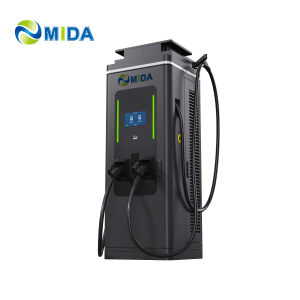
180kw 240kW DC Ultra Fast EV Charger Station OC...
-
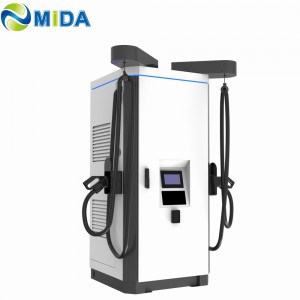
Level 3 EV DC Charger Electric Car Charging Sta...
-
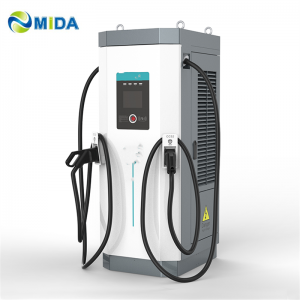
240kw 300kw 360kw 420kW Fast Charging Station F...
-
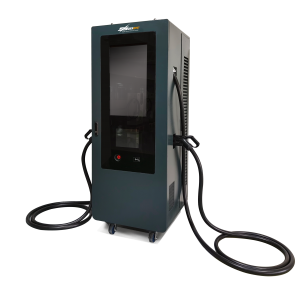
120KW 160KW 180kW 200kw Fast EV Charger Station...
-
420KW CCS2 New energy electric vehicle Charging...
-
360KW New energy electric vehicle Charging station