

Key Takeaways
- High Dwell Time: Capitalize on the 30-minute average stay of fast-charging users.
- Programmatic Integration: Automate ad sales through global DOOH networks.
- Interactive UX: Use touchscreens to allow users to interact with promotions or local maps.
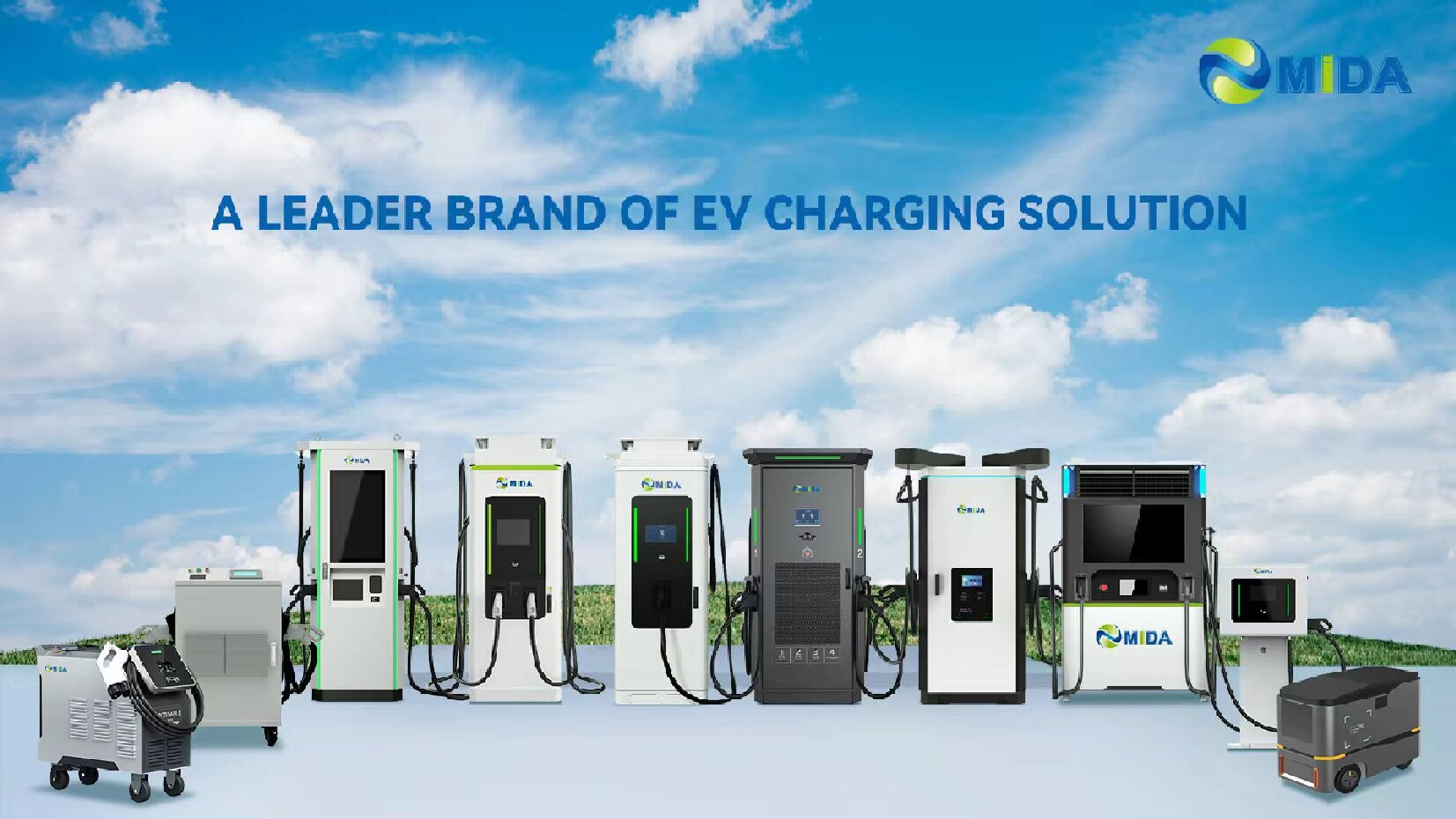
DOOH advertising is moving away from passive viewing toward active engagement. When a driver plugs in a high-power DC station, they are naturally looking at the unit to confirm the session. This “moment of focus” is a goldmine for advertisers. The future lies in multi-functional units that combine ultra-fast charging (up to 240kW) with dual-sided digital displays.
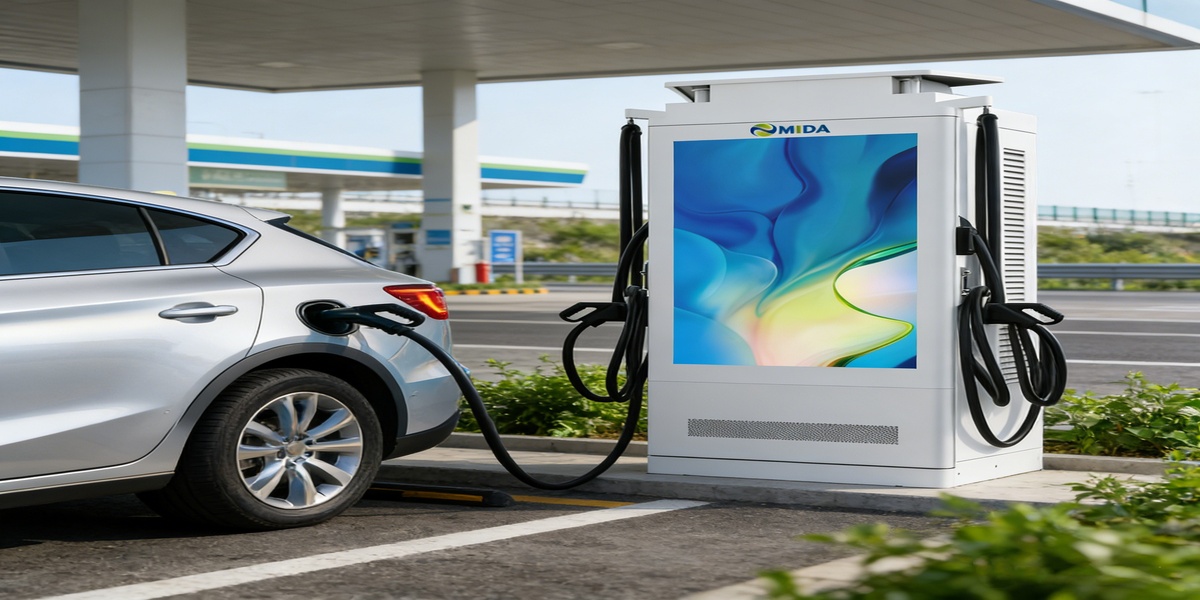
By integrating sensors and AI, these units can track viewer demographics (anonymously) to provide advertisers with precise ROI metrics, such as “Eyes on Screen” and “Interaction Rate.”
FAQ
Q: What is DOOH?
A: Digital Out-of-Home advertising refers to digital media that appears in public spaces.
Q: Why are chargers better than standard digital billboards?
A: Chargers have a much higher “dwell time” as users must stay near the unit to monitor progress.
Q: Can users interact with the ads?
A: Yes, many units feature touch-sensitive screens for interactive coupons or surveys.
Q: Is the data collected private?
A: Professional systems comply with GDPR/CCPA, using anonymous sensors to track foot traffic.
Q: Can the screen show charging info?
A: Yes, the screen is usually split between charging status and advertising content.
Q: How does the unit handle extreme heat?
A: Integrated cooling systems manage the heat from both the power modules and the display.
Q: Are the screens vandal-proof?
A: Yes, they are protected by 4mm-6mm tempered glass with an IK10 impact rating.
Post time: Aug-19-2026