

Implementing an SSC station requires a sophisticated Energy Management System (EMS). The EMS must balance three variables: the current PV output, the battery’s state-of-charge, and the charging demand from vehicles. In 2026, many B2B operators are using SSC to avoid the “Transformer Trap”—where the local utility quotes a 2-year wait and $100k+ cost for a new transformer.
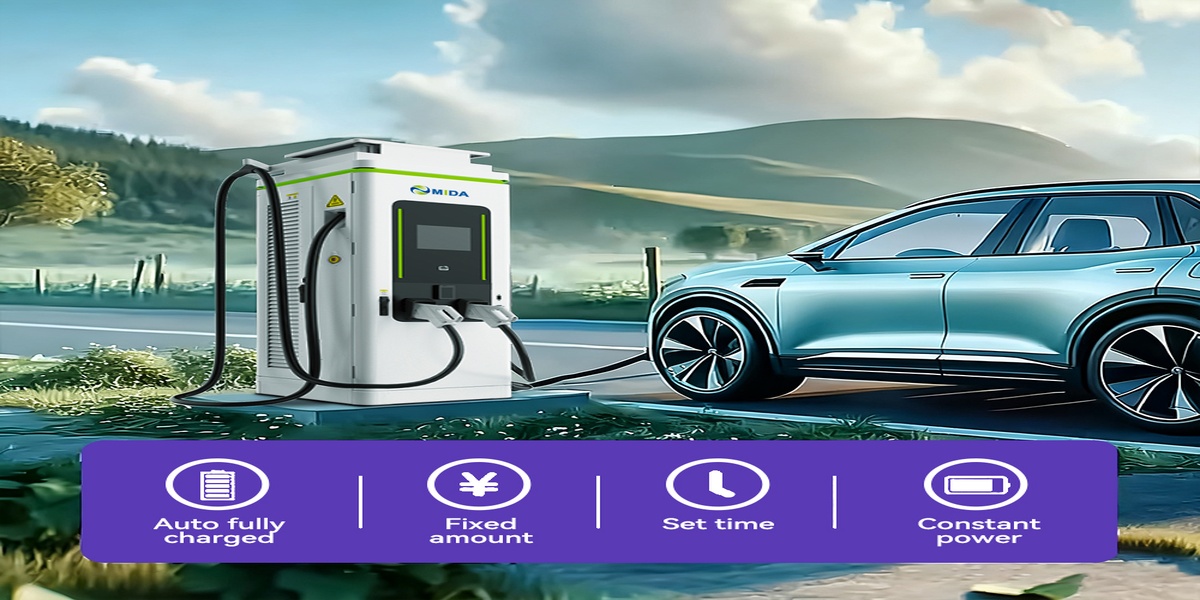
By installing a 200kWh BESS, a site can support multiple 120kW DC chargers on a standard low-voltage grid connection that would otherwise only support a single AC wallbox.
Key Takeaways
- Peak Shaving: Use battery power during peak hours to avoid high grid demand charges.
- Independence: Operate high-power chargers even in areas with weak or unstable grid infrastructure.
- Sustainability: Directly utilize 100% renewable energy for vehicle charging.
FAQ
Q: How much solar space do I need to support a DC charger?
A: To fully power a 120kW charger, you would need a large canopy. However, even a small 20kW PV array can significantly offset daily operational costs.
Q: Does the battery help with power outages?
A: Yes, SSC systems can be designed with “Off-Grid” or “Island” capabilities to keep chargers running during blackouts.
Post time: Aug-14-2026