
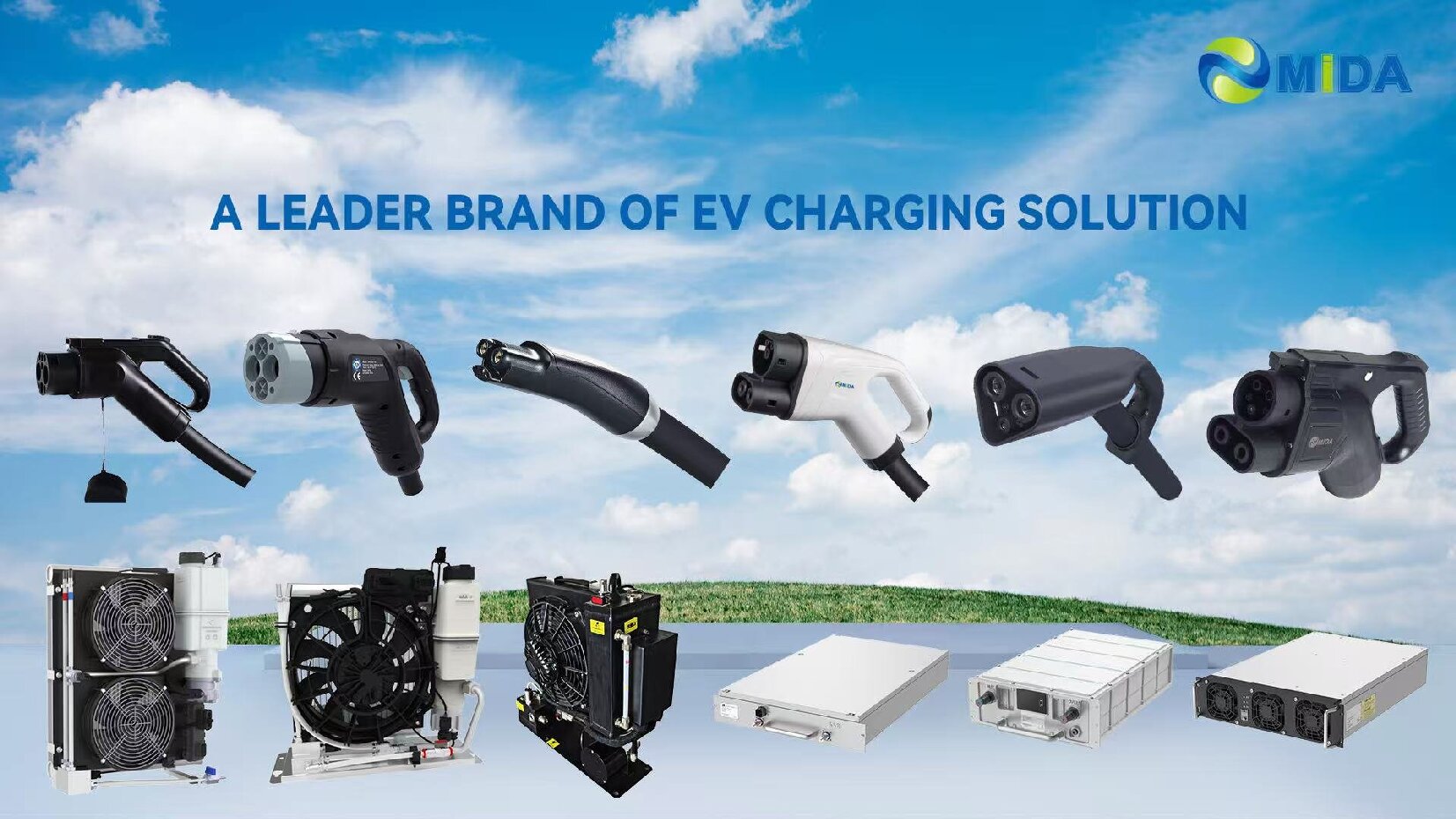

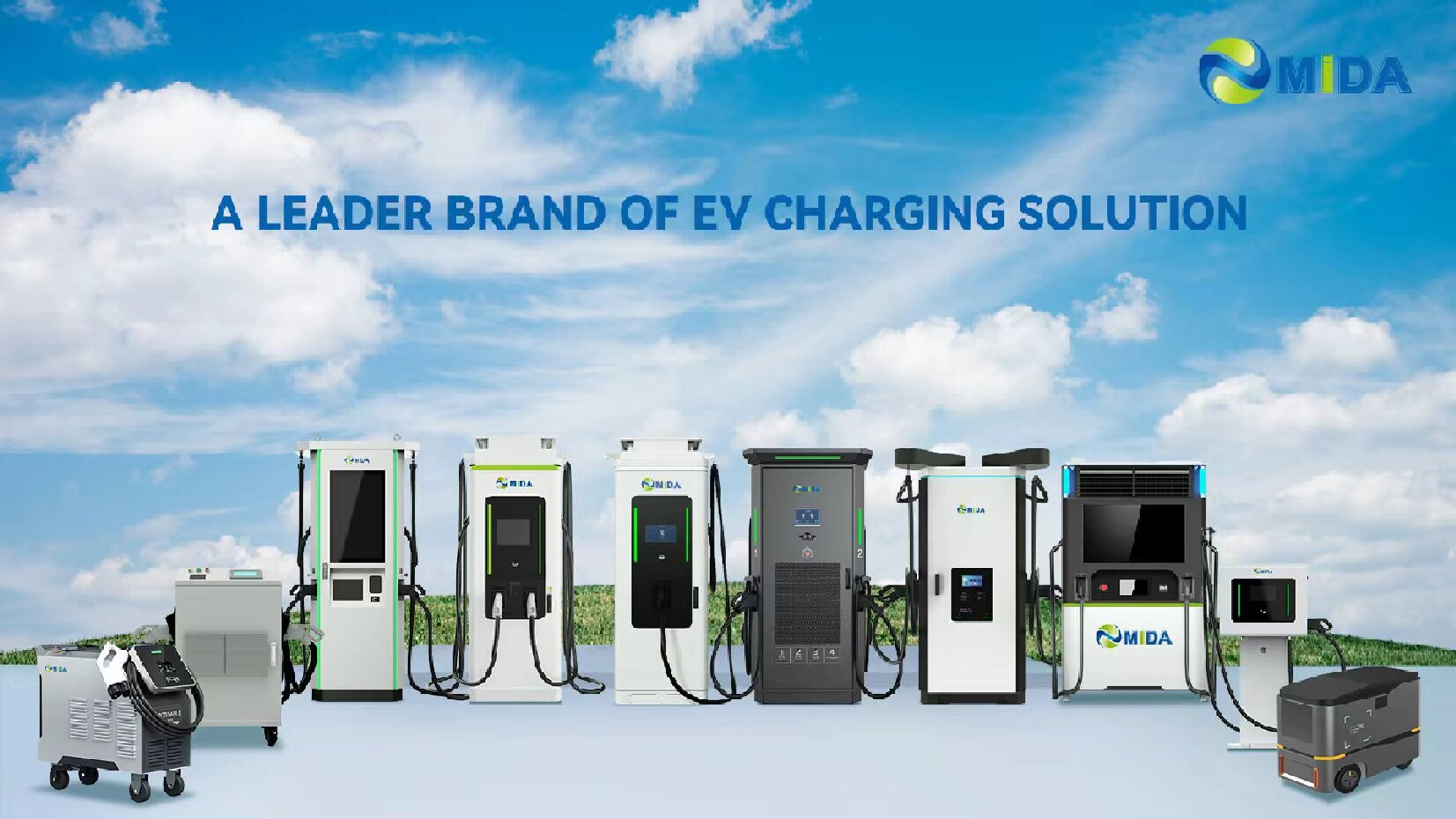
Traditional air-cooled cables reach their physical limits around 200-250A. To reach the 400kW+ range required for heavy-duty trucks and high-end EVs, liquid cooling is mandatory.
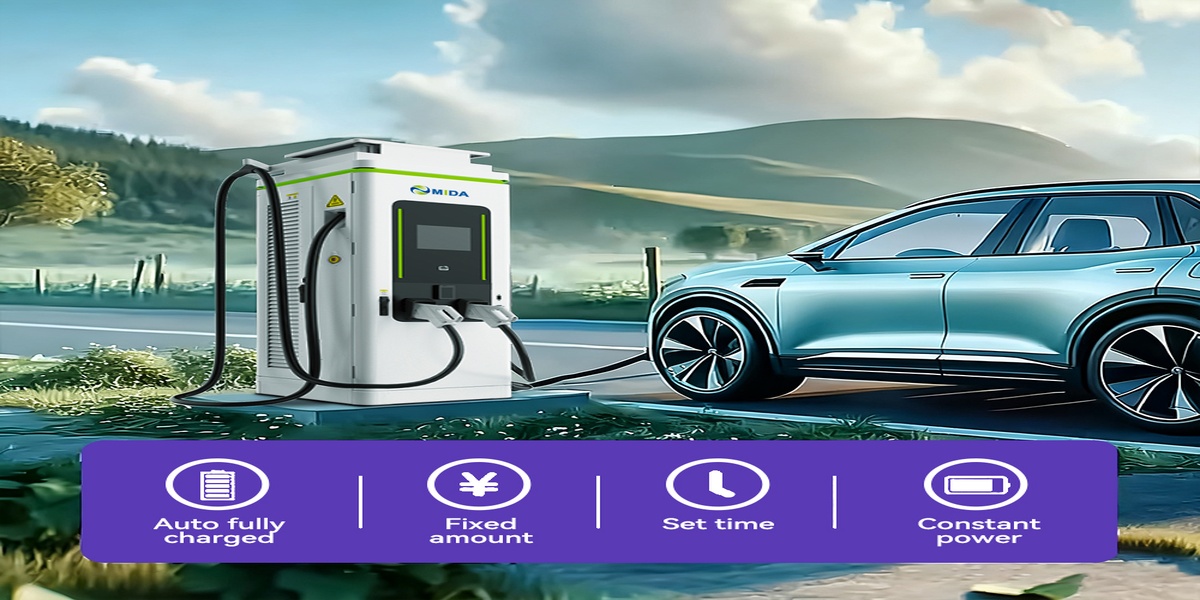
When selecting a liquid-cooled charger, prioritize systems with redundant cooling pumps and integrated leak detection sensors. It is also vital to check the compatibility of the coolant—biodegradable, non-conductive fluids are preferred to ensure environmental safety and system integrity in case of accidental damage.
Key Takeaways
- Cable Weight Reduction: Liquid-cooled cables are significantly thinner and easier to handle for consumers.
- No Thermal Throttling: Delivers 100% rated power even at ambient temperatures above 40°C.
- Longevity: Sealed cooling systems protect internal components from dust and salt air.
FAQ
Q: Is liquid cooling noisier than air cooling?
A: No, liquid-cooled systems often operate more quietly because they require fewer high-speed fans for heat dissipation.
Q: Does it require more maintenance?
A: It requires periodic coolant level checks and pump inspections, but modern systems are designed for long-term reliability with 5-year service intervals.
Post time: Aug-14-2026