

A DC charging station is a high-voltage industrial appliance. It handles up to 1000V and 500A, meaning any component failure can be catastrophic. Operators must verify that their suppliers provide certified “Type B” RCDs, which are specifically designed to detect DC leakage currents.
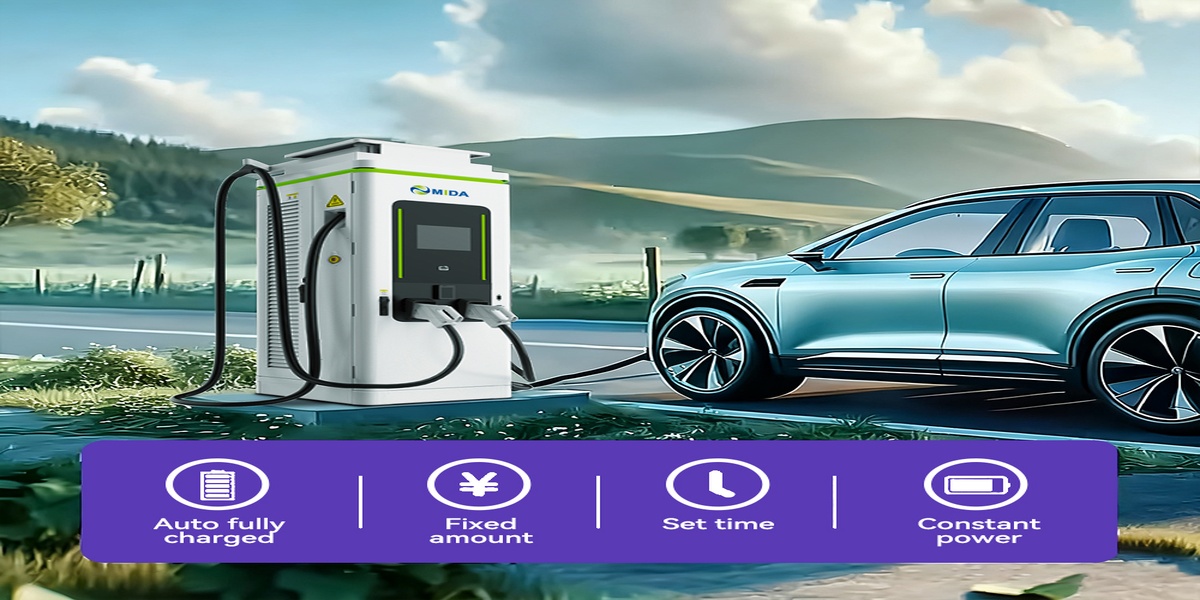
Furthermore, thermal sensors in the charging connector are vital; they can trigger an immediate power reduction if the plug becomes too hot due to a poor connection or debris in the vehicle’s socket. Compliance with ISO 15118 also adds a layer of digital safety through encrypted vehicle-to-charger communication.
Key Takeaways
- IP55 Rating: Provides high-level protection against water jets and dust ingress in harsh environments.
- IK10 Impact Rating: Essential for public areas to protect against vandalism and accidental collisions.
- Safety Monitoring: Real-time insulation monitoring prevents electrical leaks before they become dangerous.
FAQ
Q: What is the difference between IP54 and IP65?
A: IP54 is “splash-proof,” while IP65 is “water-jet-proof.” Most DC chargers use IP54/55 because they require airflow for cooling, which IP65 makes difficult.
Q: Why is IK10 important?
A: IK10 means the enclosure can withstand a 20-joule impact (like a 5kg hammer drop), which is common in busy public parking lots.
Post time: Aug-14-2026