

Quick Answer
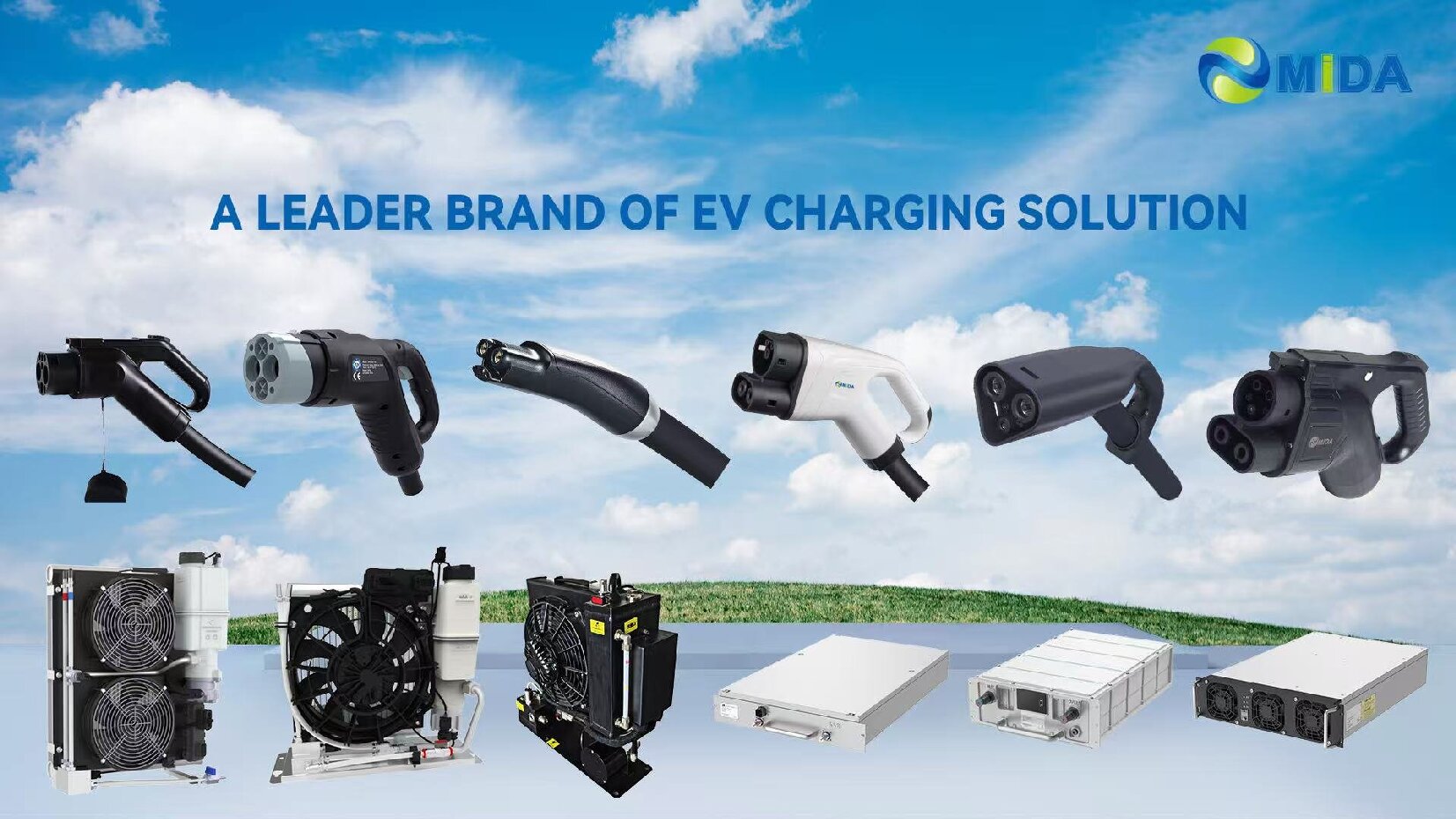
Operational efficiency in EV charging is defined by uptime and energy throughput. Choosing the right American Standard DC charging cable directly impacts your ROI by reducing maintenance frequency and increasing charging speeds. MIDA DC connector products are designed with low-resistance silver-plated terminals, which minimize energy loss and heat generation. By utilizing MIDA’s 500A liquid-cooled cables, operators can serve high-capacity vehicles faster, effectively increasing the “turnover rate” of each charging stall while ensuring long-term reliability in heavy-use environments.
Key Takeaways
- Lower Resistance: Silver-plated copper alloy reduces heat and energy waste.
- Maximized Uptime: Rugged IP67 design survives accidental drops and crush loads.
- Faster Throughput: High-current support (500A+) shortens charging sessions.
- TCO Optimization: Durable materials extend the service life beyond 10,000 cycles.

ROI Impact of High-Quality Cables
| Metric | Standard Cable | MIDA Pro-Series |
|---|---|---|
| Mating Cycles | ~5,000 | >10,000 |
| Energy Loss | Moderate | Minimal (Silver-plated) |
| Replacement Frequency | 1.5 – 2 Years | 3 – 4 Years |
| Weather Resistance | IP55 | IP67 (Fully Sealed) |
FAQ
- How do silver-plated terminals improve efficiency? They offer lower contact resistance, reducing heat and power loss.
- What is the main cause of cable failure? Physical damage to the plug head and internal terminal fatigue.
- Does IP67 matter for outdoor chargers? Absolutely; it prevents moisture ingress that leads to short circuits.
- Can MIDA cables reduce my electricity bill? By reducing heat loss, more energy goes into the vehicle.
- Is it easy to replace a MIDA cable on-site? Yes, our modular design is built for quick field replacement.
- What is the temperature limit for MIDA cables? They operate reliably from -30°C to +50°C.
- Do high-current cables require larger conduits? Liquid-cooled MIDA cables are surprisingly slim despite their power.
Post time: Aug-17-2026