

Quick Answer
In high-voltage DC charging, safety is paramount. UL certification (UL 2251) is the industry’s most rigorous safety benchmark, ensuring that cables can handle extreme electrical loads, physical stress, and environmental hazards. MIDA’s CCS1 charging cable and NACS connector series are fully UL-listed, featuring UL94 V-0 flame-retardant materials and superior insulation resistance. By choosing MIDA’s UL-certified solutions, operators mitigate the risk of fire, electrical failure, and liability, providing a secure charging environment for every user.
Key Takeaways
- Rigorous Testing: UL certification involves crush, drop, and thermal stress tests.
- Material Safety: UL94 V-0 ensures the material is self-extinguishing in case of fire.
- Insulation Excellence: >1000MΩ insulation resistance at 500V DC.
- Compliance: Meets all NEC (National Electrical Code) requirements for EVSE.
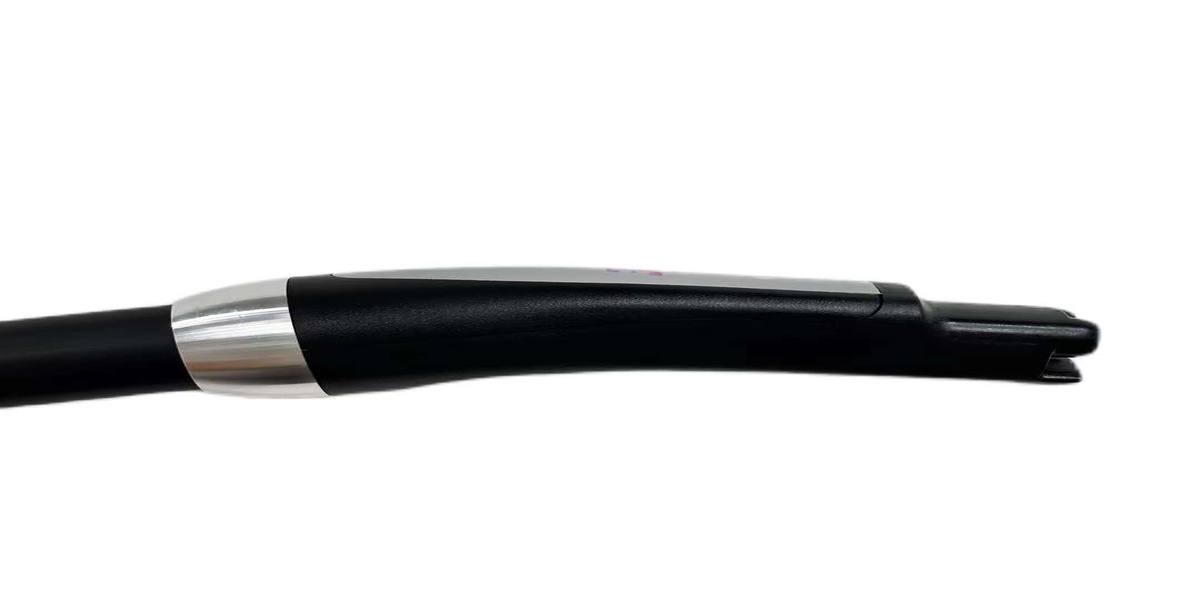
MIDA Safety Benchmarks vs Industry Standards
| Safety Test | Industry Standard | MIDA Achievement |
|---|---|---|
| Flame Retardancy | UL94 V-2 | UL94 V-0 (Superior) |
| Drop Test | 1 Meter | 1.5+ Meters (Ruggedized) |
| Insulation Res. | 500MΩ | >1000MΩ |
| Protection | IP55 | IP67 (Total Protection) |
FAQ
- What does UL94 V-0 mean? It is the highest rating for flame-retardant plastics.
- Why is UL certification important for insurance? Insurers often require certified hardware to cover fire or liability.
- Does MIDA test every cable? Yes, 100% of our cables undergo insulation and continuity testing.
- Is the NACS plug also UL-certified? Yes, MIDA NACS hardware follows the latest UL safety protocols.
- How does MIDA handle high-voltage arcing? Precision engineering of pin distances and insulation barriers.
- What happens if a cable is run over? Our UL-tested housing is designed to withstand vehicle crush loads.
- Are MIDA cables RoHS compliant? Yes, they are lead-free and environmentally safe.
Post time: Aug-17-2026