

Quick Answer
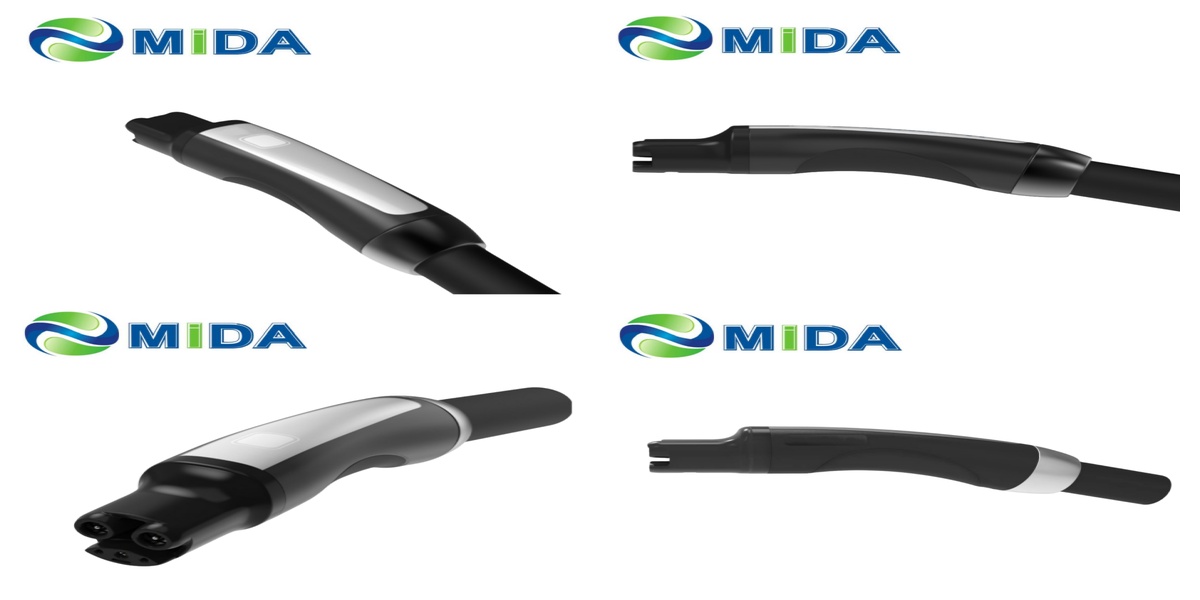
Extreme cold presents a major challenge for EV charging infrastructure, often causing cables to become stiff and terminals to fail. MIDA美标直流枪线 are engineered to excel in temperatures as low as -30°C (-22°F). By using high-grade TPU (Thermoplastic Polyurethane) jackets and specialized internal insulation, MIDA ensure that our DC connector products remain flexible and easy to handle in winter. Our liquid-cooled systems also feature low-viscosity coolants that prevent freezing, ensuring that high-power charging remains reliable for drivers in northern climates.
Key Takeaways
- Low-Temp Flexibility: TPU jackets maintain handling ease at -30°C.
- Anti-Freezing Cooling: Specialized coolant loops for liquid-cooled NACS/CCS1.
- Corrosion Resistance: Silver-plated terminals resist oxidation in salty, humid winter air.
- Reliable Connectivity: Precision-machined pins ensure a solid connection despite thermal contraction.
Winter Performance Metrics
| Temperature Range | Standard Cable Handling | MIDA TPU Performance |
|---|---|---|
| 0°C to -10°C | Normal | Excellent / Very Flexible |
| -10°C to -25°C | Stiff / Hard to Bend | Remains Pliable |
| -25°C to -30°C | Brittle Risk | Stable / Fully Functional |
| -30°C and Below | High Failure Risk | Tested for Low-Temp Durability |
FAQ
- Does cold weather slow down charging? Yes, but a low-resistance cable helps maintain maximum efficiency.
- Will a frozen cable crack? MIDA’s TPU jackets are tested against low-temperature impact cracking.
- Is the coolant safe for winter? Yes, we use a glycol-based non-freezing mixture.
- Do silver-plated pins help in winter? Yes, they prevent the oxidation common in snowy, salted-road areas.
- Can the plug handle ice buildup? Our ergonomic handle design provides a secure grip even with gloves.
- Is IP67 important for snow? Yes, to prevent melting snow from entering the connector.
- What is the storage temperature? Our cables can be stored down to -40°C.
Post time: Aug-17-2026