

Investing in DC fast charging requires more than just purchasing hardware. The capital expenditure (CAPEX) includes grid upgrades, civil works, and the chargers themselves. To improve the ROI, operators are shifting towards “Future-Proofing” sites.
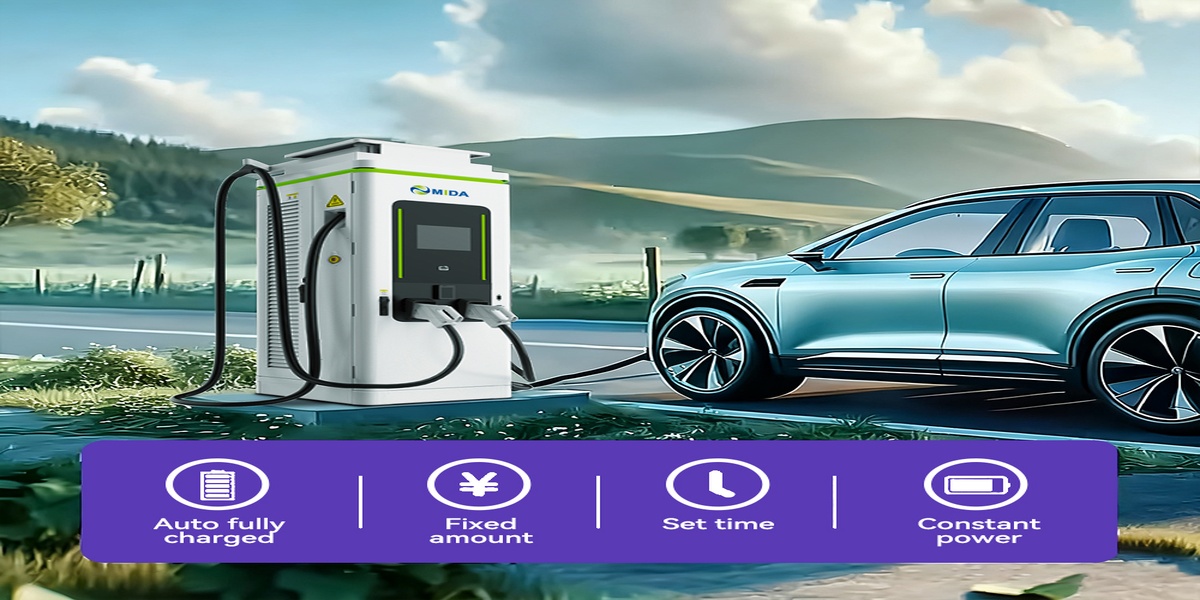
This involves installing modular DC chargers where power capacity can be added incrementally (e.g., starting at 60kW and scaling to 120kW or 180kW) as demand grows. Furthermore, integrating Battery Energy Storage Systems (BESS) allows for peak shaving, enabling high-power charging even on restricted grids without triggering expensive infrastructure upgrades.
Key Takeaways
- Utilization is King: A site needs at least 15-20% daily occupancy to reach break-even early.
- Smart Energy Management: Avoiding peak grid tariffs can reduce operational costs by up to 30%.
- Modular Maintenance: Reducing Mean Time to Repair (MTTR) preserves revenue during peak hours.
FAQ
Q: What is the average payback period for a 120kW DC charger?
A: Depending on the region and electricity costs, it typically ranges from 3.5 to 5 years.
Q: Does faster charging mean higher ROI?
A: Not necessarily. While higher power attracts users, the initial CAPEX and grid fees are higher. The optimal power level should match the “dwell time” of the location (e.g., 30 mins for malls).
Post time: Aug-14-2026