

Quick Answer
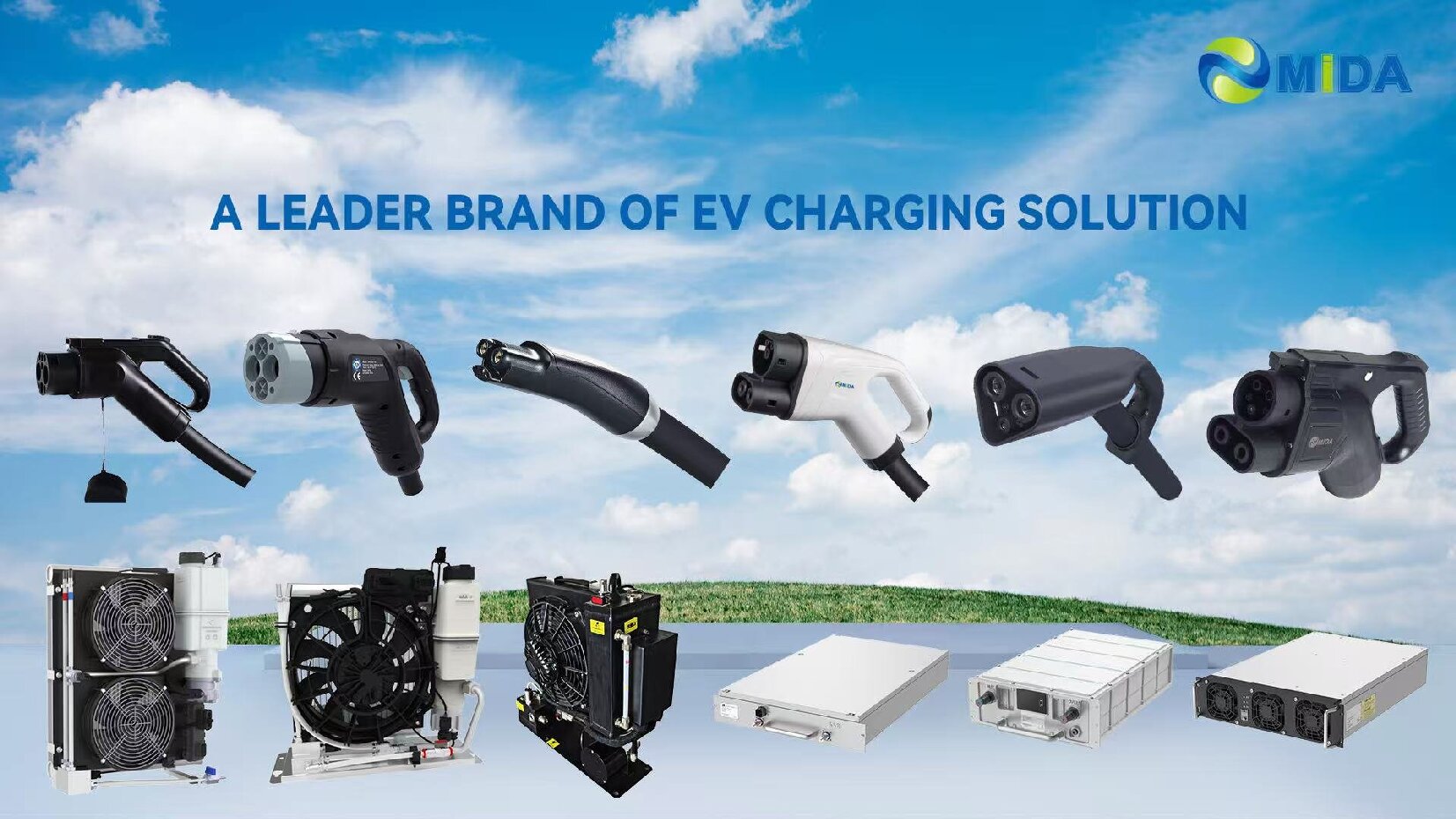
The evolution of American Standard DC charging cables from the bulky CCS1 to the sleek NACS marks a turning point in EV infrastructure. While CCS1 was the early standard for non-Tesla EVs, NACS has emerged as the clear winner due to its compact footprint and high-power scalability. MIDA supports this transition by offering both high-performance CCS1 charging cables and state-of-the-art NACS connectors. Understanding this evolution helps operators plan multi-standard hubs that cater to legacy vehicles while capturing the future market dominated by NACS.
Key Takeaways
- Historical Context: CCS1 was the first unified DC fast charging standard for US OEMs.
- Innovation: NACS removed the separate AC/DC pins, simplifying the interface.
- Current State: Both standards coexist, but NACS is the preferred choice for new deployments.
- MIDA’s Role: Providing 1000V DC solutions for both standards to ensure seamless charging.

Evolution of North American Charging Standards
| Stage | Primary Standard | Key Characteristic | MIDA Product |
|---|---|---|---|
| 2010s | J1772 / CCS1 | Bulky, separate AC/DC pins | UL-Certified CCS1 |
| 2023-Present | NACS (SAE J3400) | Integrated pins, compact | 600A NACS Plug |
| Future | Unified NACS Hubs | Liquid-cooled, Megawatt ready | Next-Gen HPC Cables |
FAQ
- Can a CCS1 car charge at a NACS station? Yes, with a MIDA-approved adapter or dual-cable chargers.
- Why was CCS1 so big? It was designed as an add-on to the existing J1772 AC standard.
- Is NACS just for Teslas? No, it is now an open SAE standard (J3400) adopted by all major brands.
- Does MIDA offer liquid cooling for both? Yes, both CCS1 and NACS have 500A liquid-cooled variants.
- What voltage do these cables support? MIDA cables are rated for the 1000V DC future.
- How long will CCS1 stay relevant? For at least the next 10 years to serve existing EV fleets.
- Which standard is easier to maintain? NACS, due to its lighter weight and fewer pin components.
Post time: Aug-17-2026