

Quick Answer
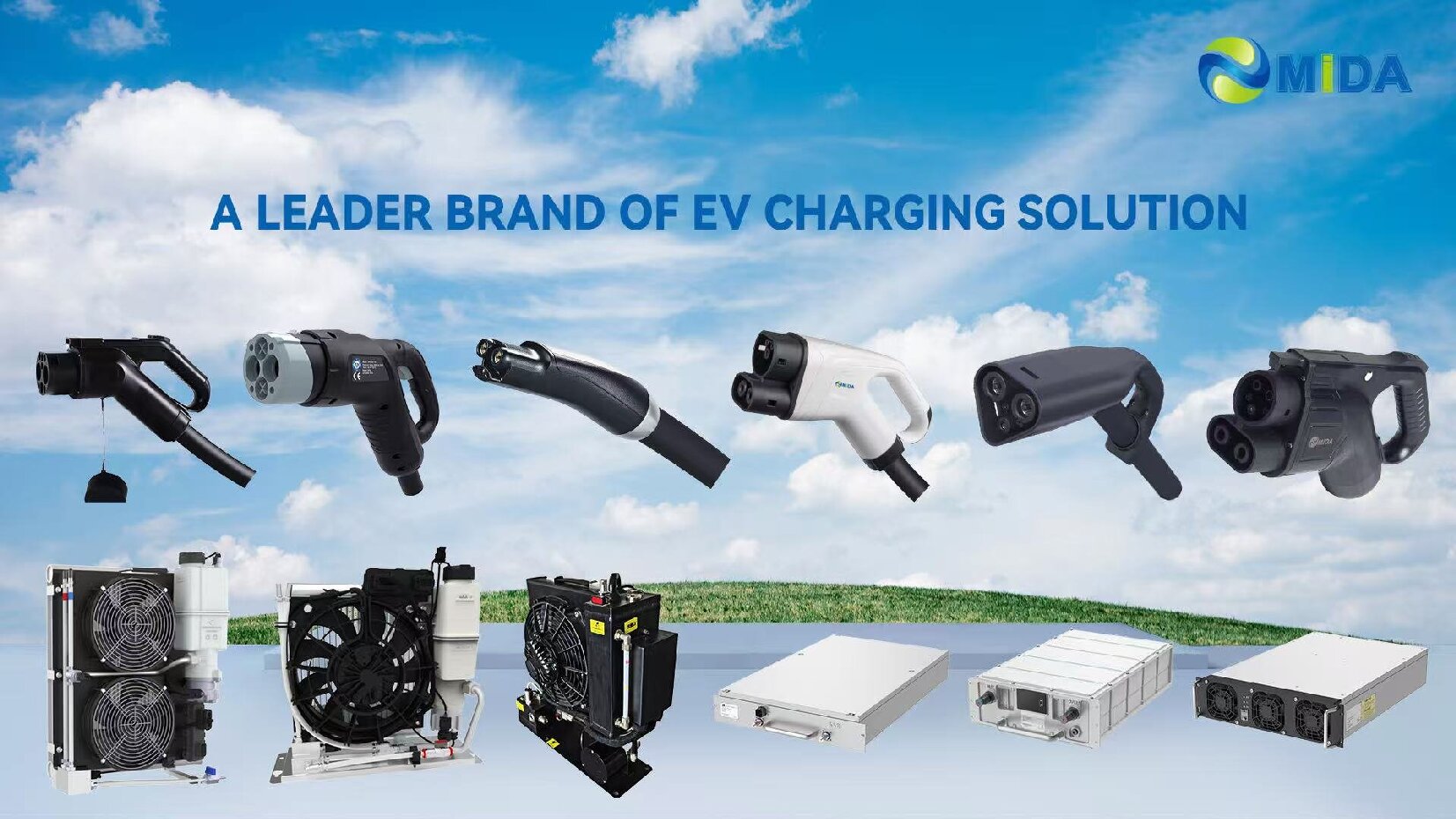
Selecting the right DC charging cable for your network involves more than just picking a plug type. Experts recommend focusing on thermal management, terminal durability, and certification compliance. For 2026, ensure your cables support 1000V DC to accommodate 800V vehicle architectures. MIDA provides a comprehensive range of DC connector products that meet these criteria. Always verify UL 2251 compliance for safety and prioritize cables with silver-plated terminals to ensure low maintenance and high efficiency over a life cycle exceeding 10,000 cycles.
Key Takeaways
- Verify Certifications: UL and CE are non-negotiable for commercial safety.
- Check Terminal Plating: Silver-plating is superior to bare copper for heat dissipation.
- Consider Flexibility: TPU-jacketed cables remain easy to handle even in cold weather.
- Future-Proofing: Support both CCS1 and NACS to maximize station utilization.

Selection Matrix for Charging Operators
| Requirement | Choice 1: Standard Use | Choice 2: Ultra-Fast Hubs |
|---|---|---|
| Interface | CCS1 or NACS (Air Cooled) | NACS or CCS1 (Liquid Cooled) |
| Current | 150A – 250A | 400A – 600A |
| Application | Fleet / Apartment | Highway / Public Hub |
| Key Spec | UL94 V-0 Flame Retardant | High-Temp Active Monitoring |
FAQ
- Is UL certification required by law? In most US states, it is required for building permits and insurance.
- Should I choose 400A or 500A? For highway hubs, 500A+ liquid-cooled is the industry standard.
- What is the benefit of a TPU jacket? It resists oils, UV, and stays flexible at -30°C.
- Does MIDA offer technical support for installation? Yes, we provide full installation and maintenance SOPs.
- Can I customize the cable length? Yes, MIDA offers lengths tailored to your station layout.
- How do I know if a terminal is silver-plated? It will have a bright silver finish and significantly lower resistance.
- Is air-cooling enough for 300A? It is possible, but cables become very heavy; liquid cooling is preferred.
Post time: Aug-17-2026