
Technical Specifications
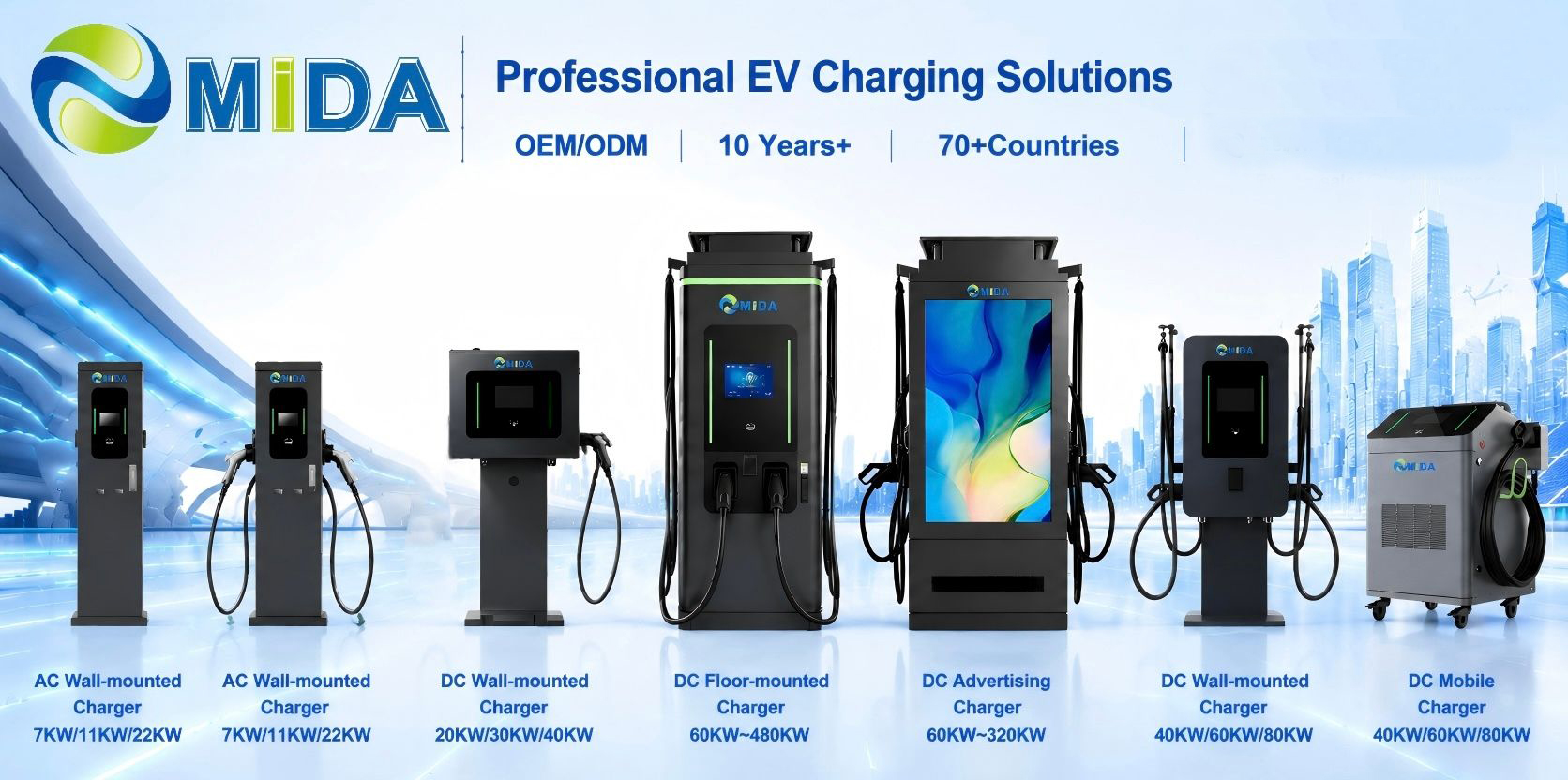
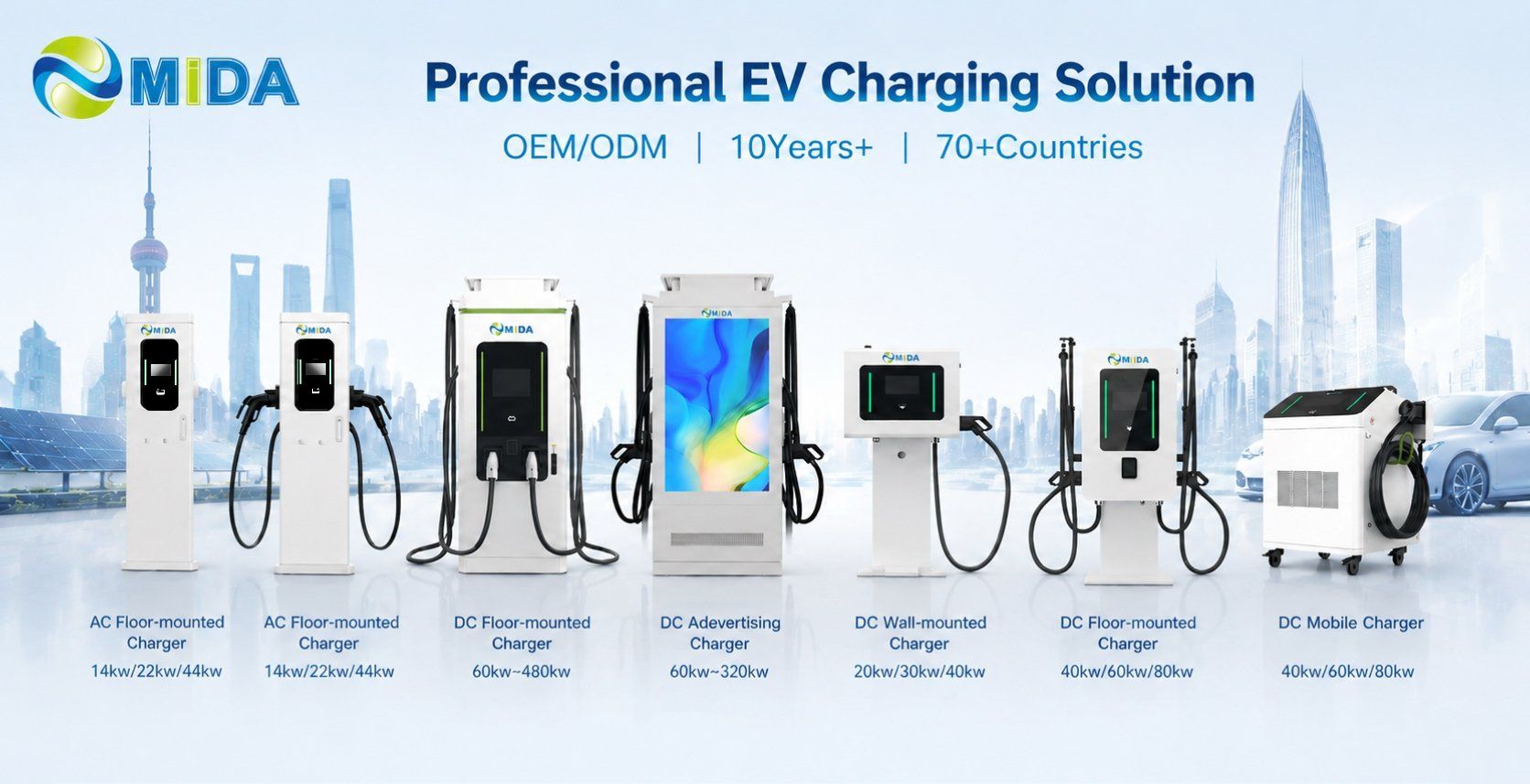
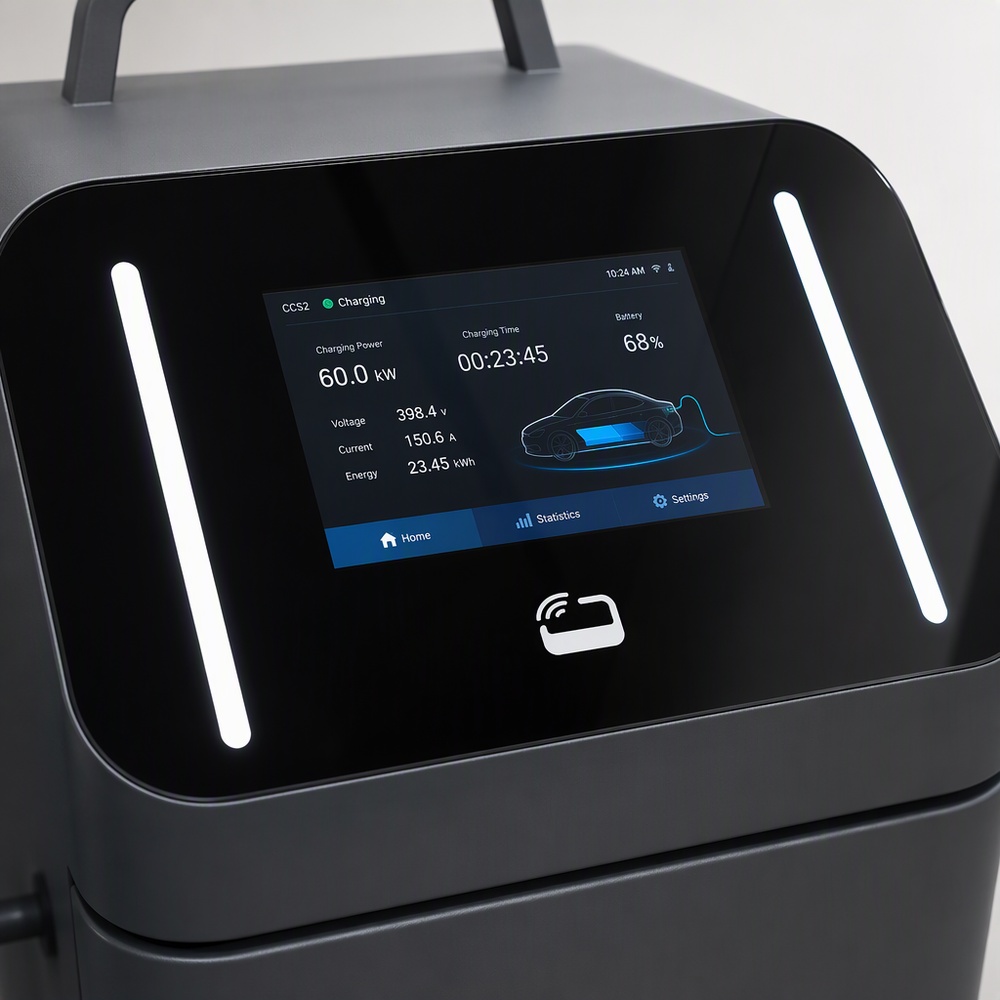
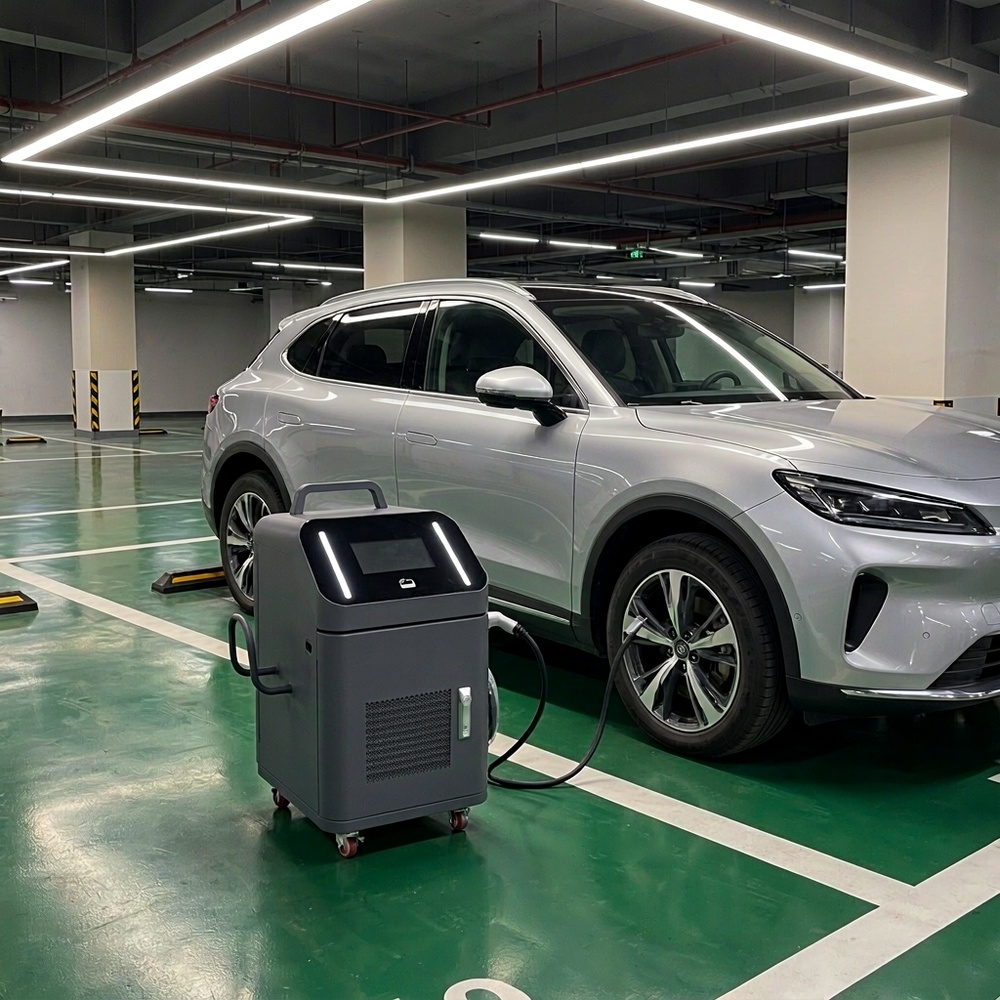
| Rated Output Power | 40kW Fast DC |
| Input Voltage Range | 3-Phase AC 380V / 400V / 480V ±15% |
| Output DC Voltage | 150V-1000V DC Wide Voltage |
| Maximum Output Current | 133A |
| Peak Energy Efficiency | ≥96.5% |
| Charging Interface Standards | CCS2 / CCS1 / GB/T / NACS / CHAdeMO (Optional) |
| Communication Protocols | OCPP 1.6J / OCPP 2.0.1 / Ethernet / 4G / Wi-Fi |
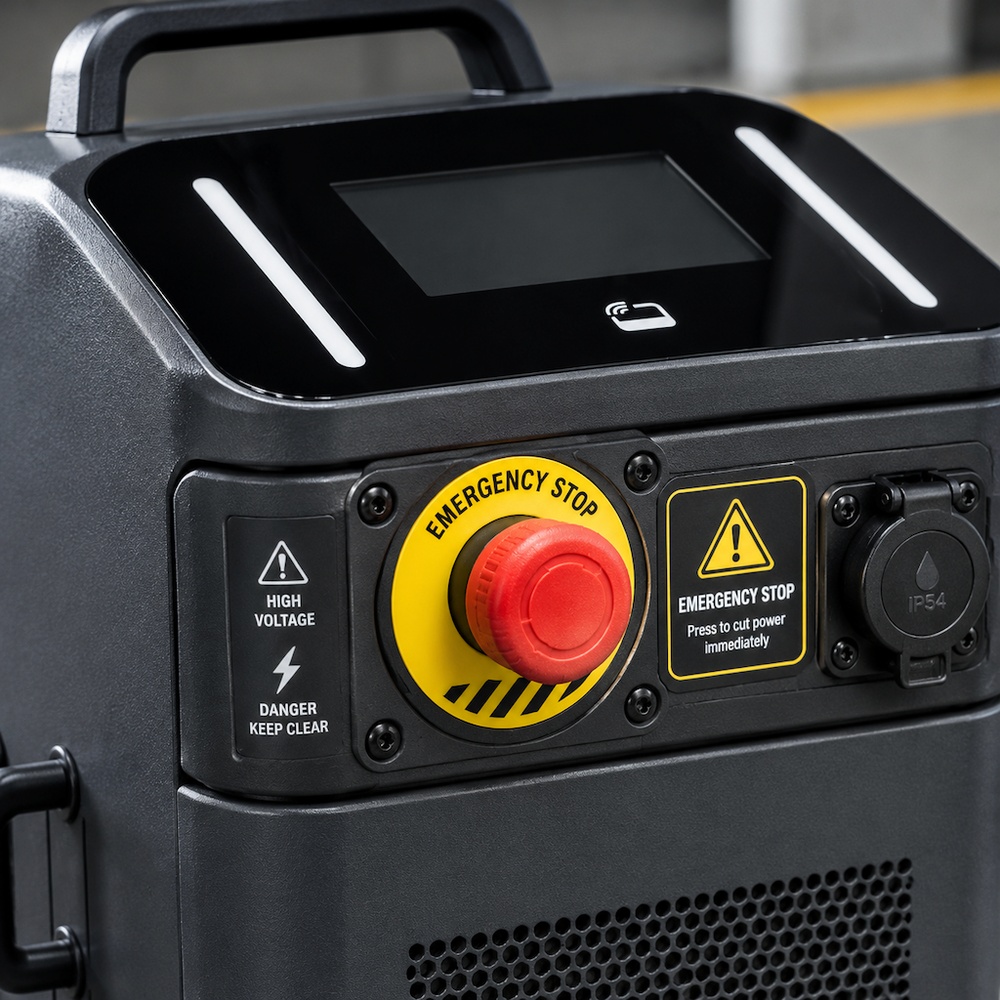
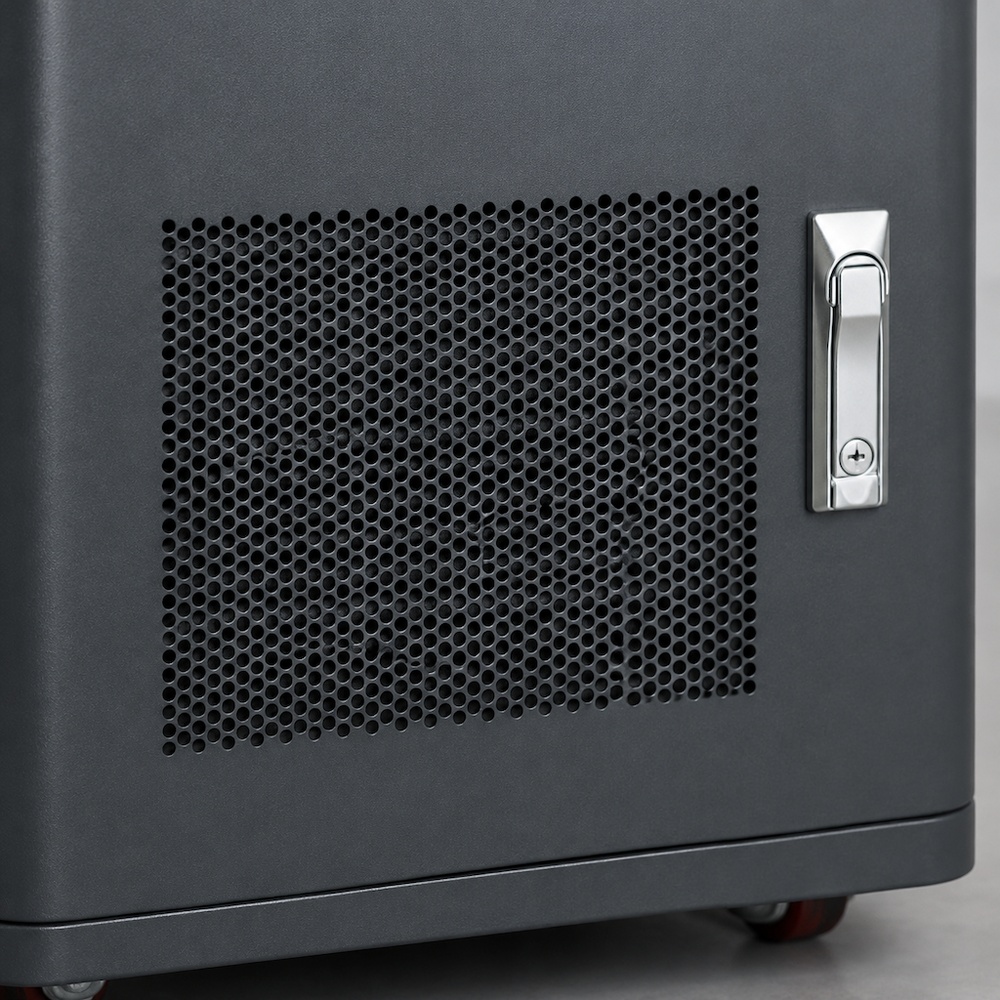
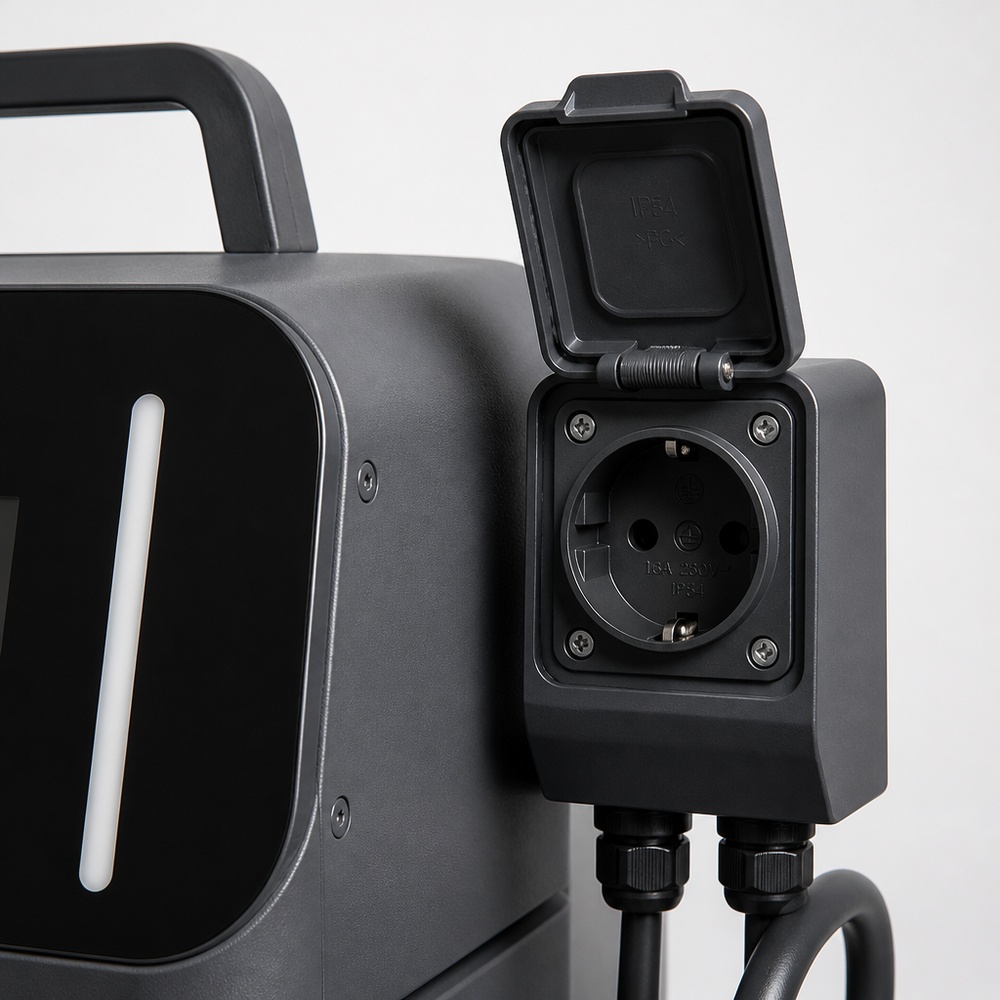
| Ingress Protection & Cooling | IP54 Weatherproof, Forced Air Cooling Architecture |
| Operating Temperature | -30°C to +55°C (Storage: -40°C to +75°C) |
Frequently Asked Questions (FAQ)
Q: What is the charging speed difference between 20kW, 30kW, and 40kW portable DC chargers?
A 20kW portable DC charger delivers roughly 100-120 km of range per hour, a 30kW unit provides 150-180 km per hour, and a 40kW mobile fast charger supplies 200-240 km per hour, depending on EV battery acceptance and state of charge.
Q: How do portable DC chargers compare to 60kW, 80kW, and 90kW floor-mounted fast DC charging stations?
While 60kW, 80kW, and 90kW fixed DC stations require dedicated civil engineering and permanent electrical foundation, portable DC chargers offer unmatched flexibility with zero installation downtime, making them ideal for agile fleet depots and workshops.
Q: Can these portable DC chargers operate alongside 100kW, 120kW, 150kW, and 160kW commercial DC fast chargers?
Yes. Portable units complement 100kW, 120kW, 150kW, and 160kW high-power charging networks by acting as flexible overflow chargers during peak hours, emergency top-ups, and dedicated service bay maintenance.
Q: What power module technology is used in 180kW, 200kW, 210kW, and 240kW ultra-fast DC charging architectures?
Modern high-power DC stations use modular 30kW or 40kW AC/DC conversion modules featuring 1000V wide voltage range and silicon carbide (SiC) semiconductors, providing up to 96.5% peak energy conversion efficiency.
Q: How do 280kW, 300kW, 320kW, 350kW, and 360kW liquid-cooled DC chargers support heavy-duty EV fleets?
Liquid-cooled 280kW to 360kW systems maintain continuous high current output (up to 500A-600A) without thermal throttling, allowing commercial e-buses and heavy-duty trucks to recharge from 20% to 80% within 15 to 25 minutes.
Q: What are the advantages of 400kW, 420kW, and 480kW split DC fast charging systems for highway charging hubs?
Split DC charging systems decouple central power matrix cabinets from sleek user dispensers, enabling dynamic matrix power sharing across multiple charging stalls to maximize grid utilization and return on investment.
Q: How does DC-DC Solar BESS (Battery Energy Storage System) integration work with fast DC chargers?
DC-DC solar BESS charging stations directly couple photovoltaic arrays and battery storage with EV charging modules via a shared DC bus, eliminating redundant DC-AC-DC conversion losses and peak demand charges from the utility grid.
Products categories
-

250A CCS Combo 2 Connector IEC 62196-3 250A CCS...
-
300A CCS 2 Fast Charger Connector Combo 2 Gun E...
-

30kw AC DC Power Module UXR100030B EMC Class B ...
-

20KW Air Cooled EV Fast Charger Module For DC C...
-
30KW EV Charger Power Module Used For CCS2 And ...
-

250A 300A CCS Combo 2 Type 2 DC Fast Charging Gun